
Reference
Posing Examples
Not a set of rules, just what's possible, pulled from real sessions across years of work.
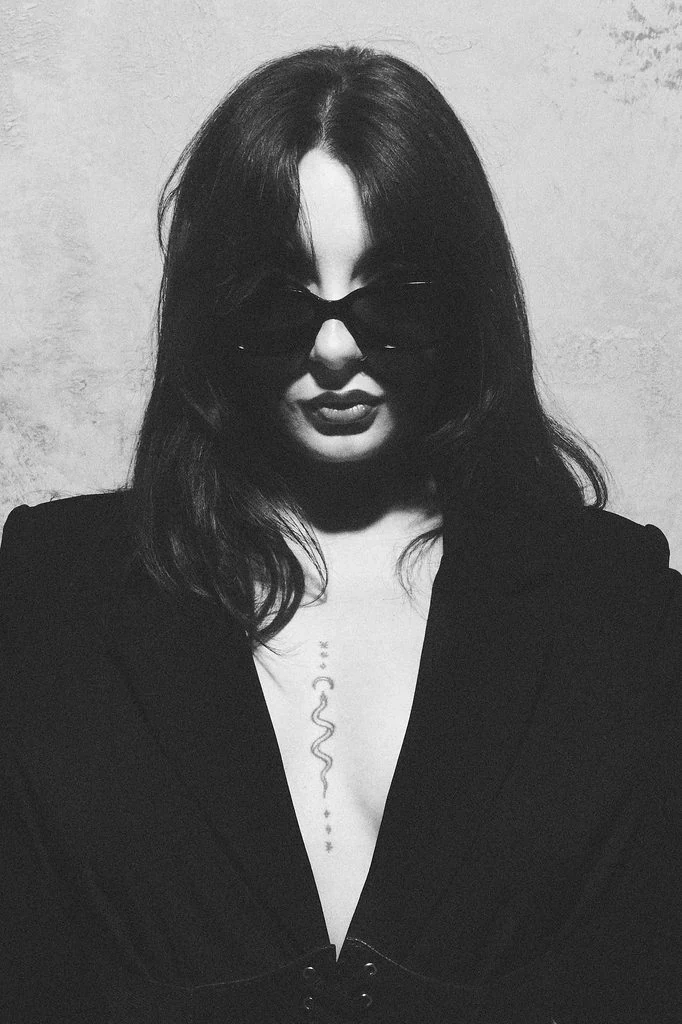
Direct engagement
Full, held eye contact works best with real intent behind it, so decide what you want the viewer to feel before the shutter clicks.
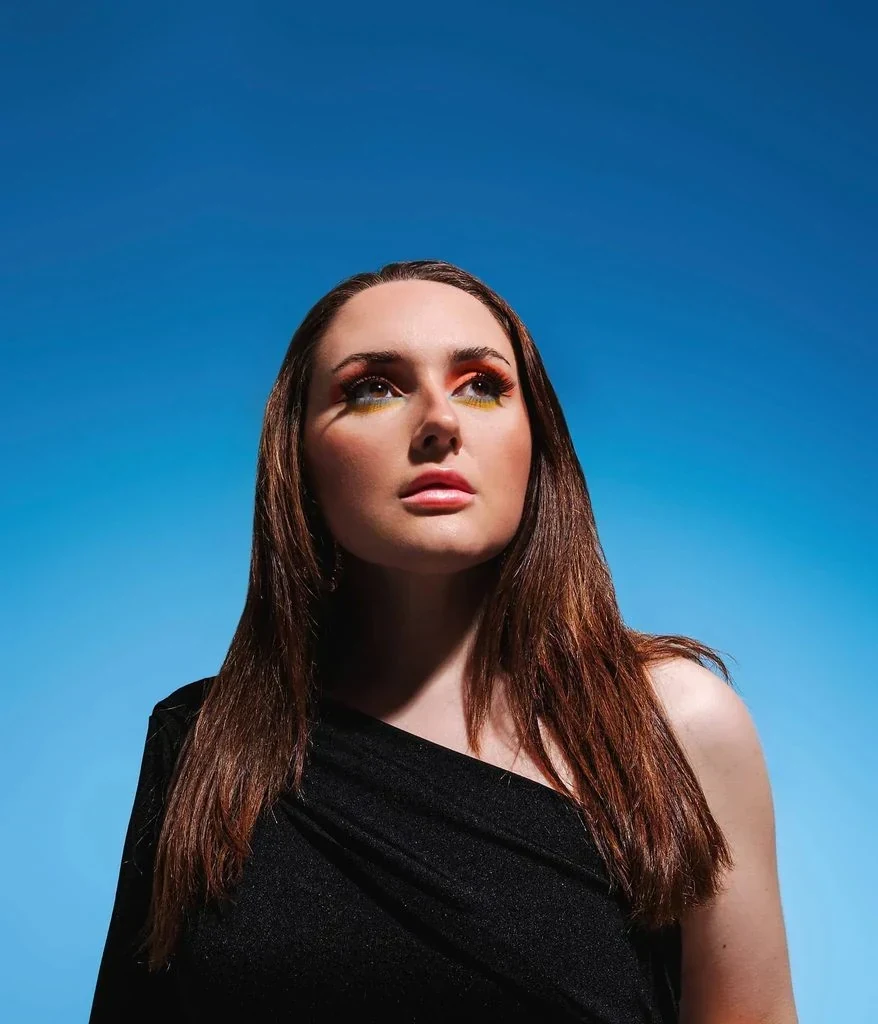
Staring into the distance
Fixing your gaze on a point far past the lens rather than anywhere near it adds real drama, as if you're caught mid-thought rather than posing.
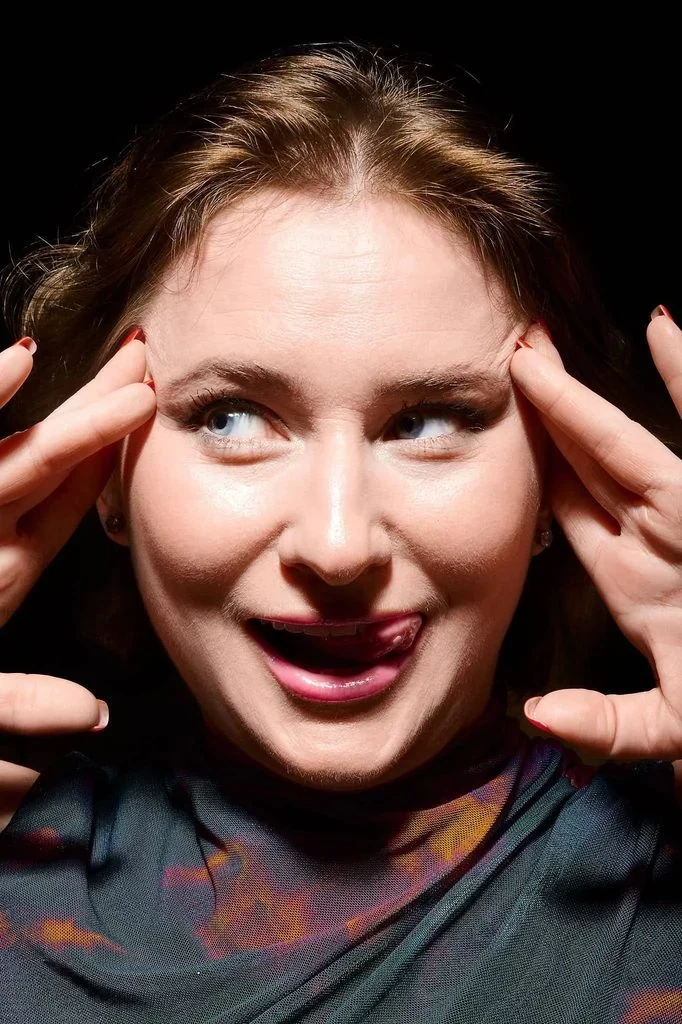
Tongue out, hands on the temples
Sticking your tongue out and letting your eyes shift away from the lens while your hands frame your temples reads as playful rather than composed.
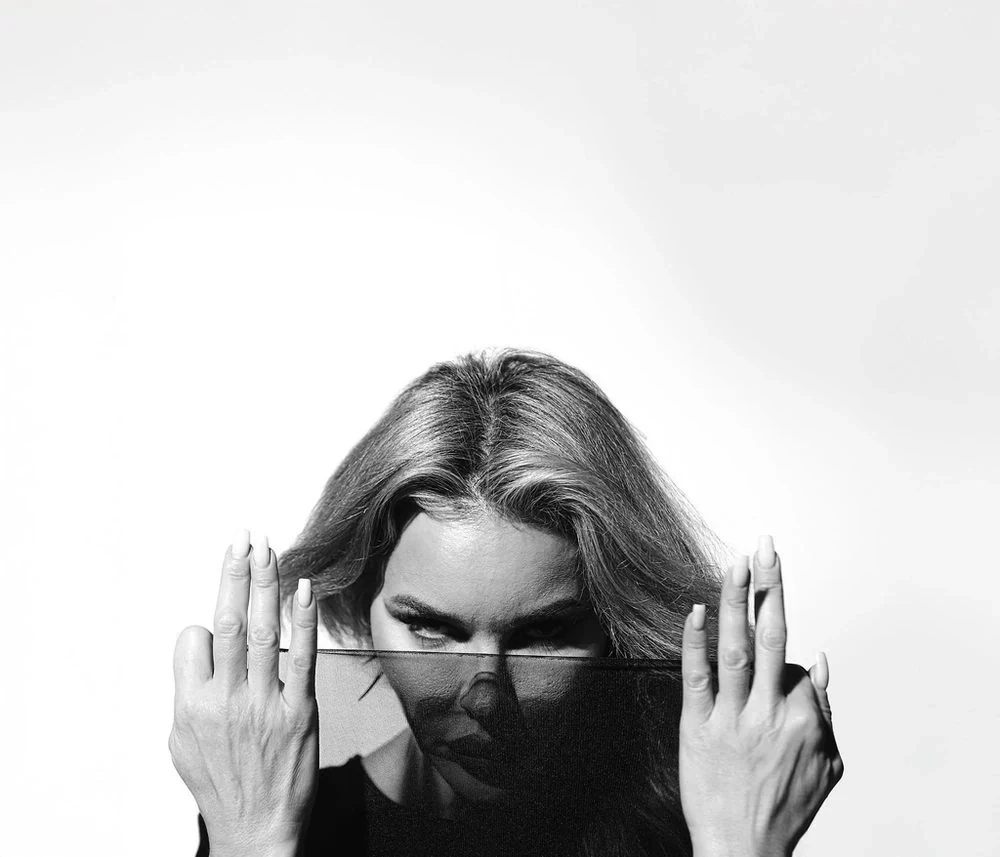
Concealment
Deliberately hiding part of your face, behind your hands or hair, can read as more compelling than showing everything at once.
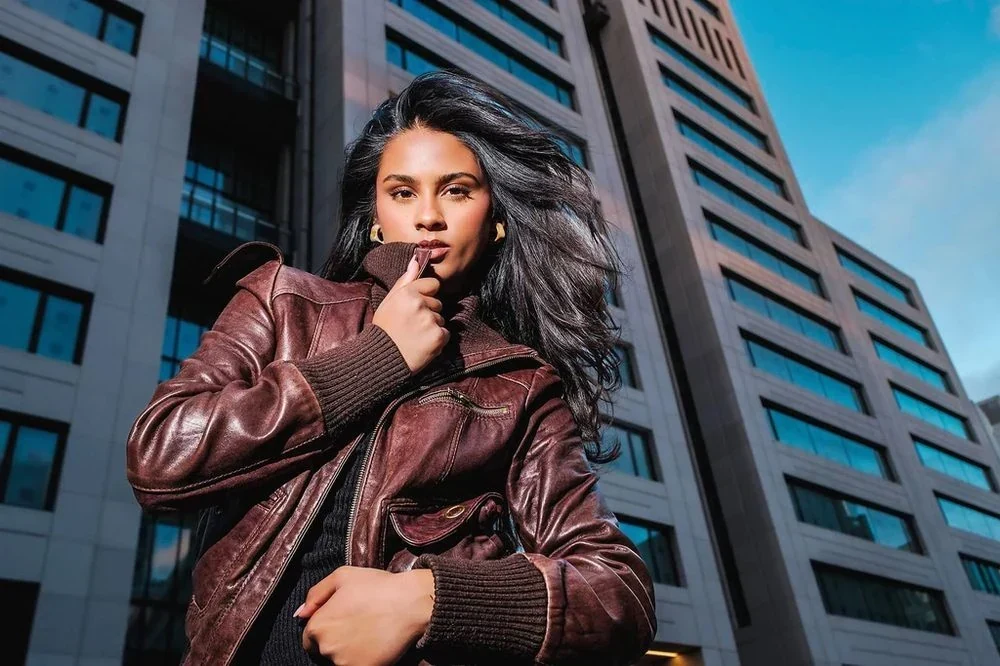
Grabbing your own clothing
Grabbing a lapel, collar, or hem of your own clothing gives you something to pull against, shifting your torso into a shape you wouldn't hold standing still.
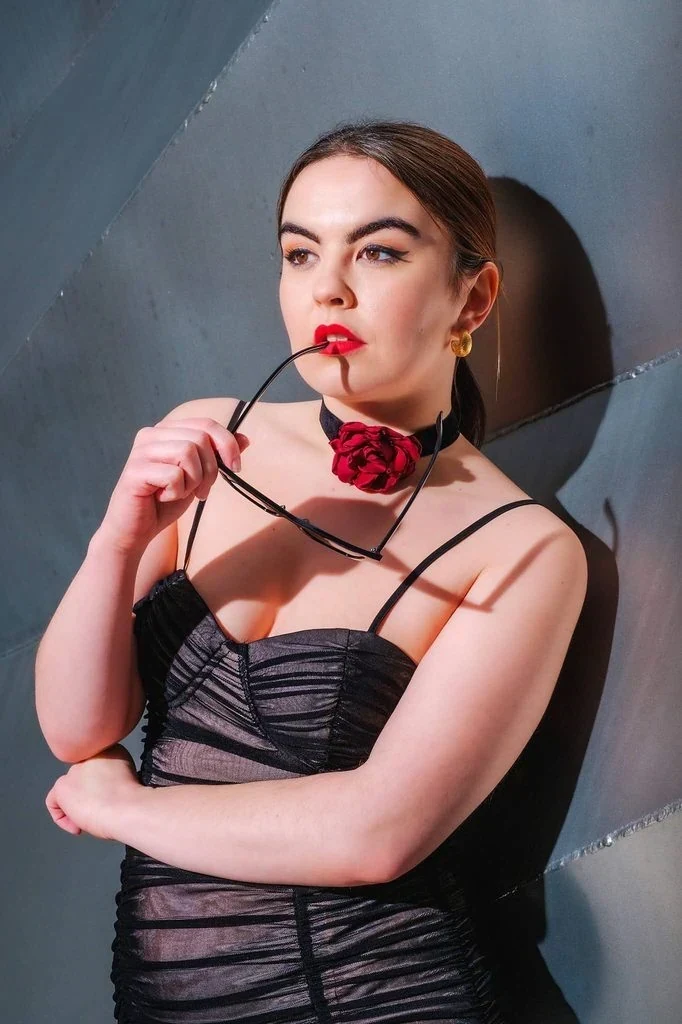
Sunglasses at the mouth, shoulder raised
Bringing sunglasses up to your mouth while pushing one shoulder up and leaning back gives your hands a job and your posture a playful tilt.
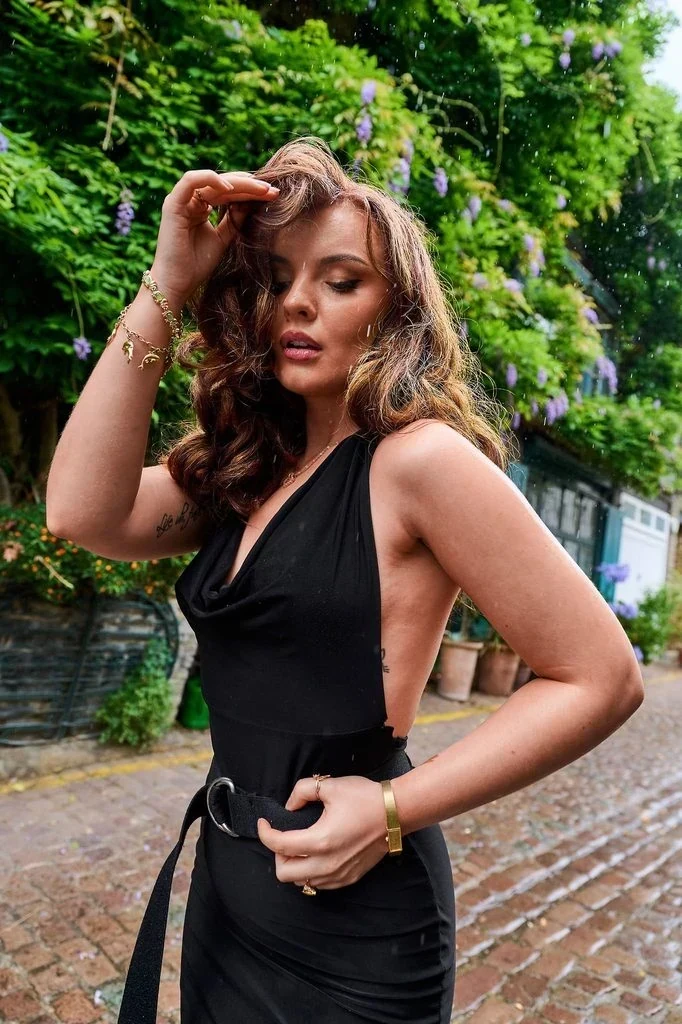
Grabbing the belt buckle, eyes closed
Closing your eyes and grabbing your own belt buckle while your other hand rests in your hair gives your hands two genuine jobs at once.
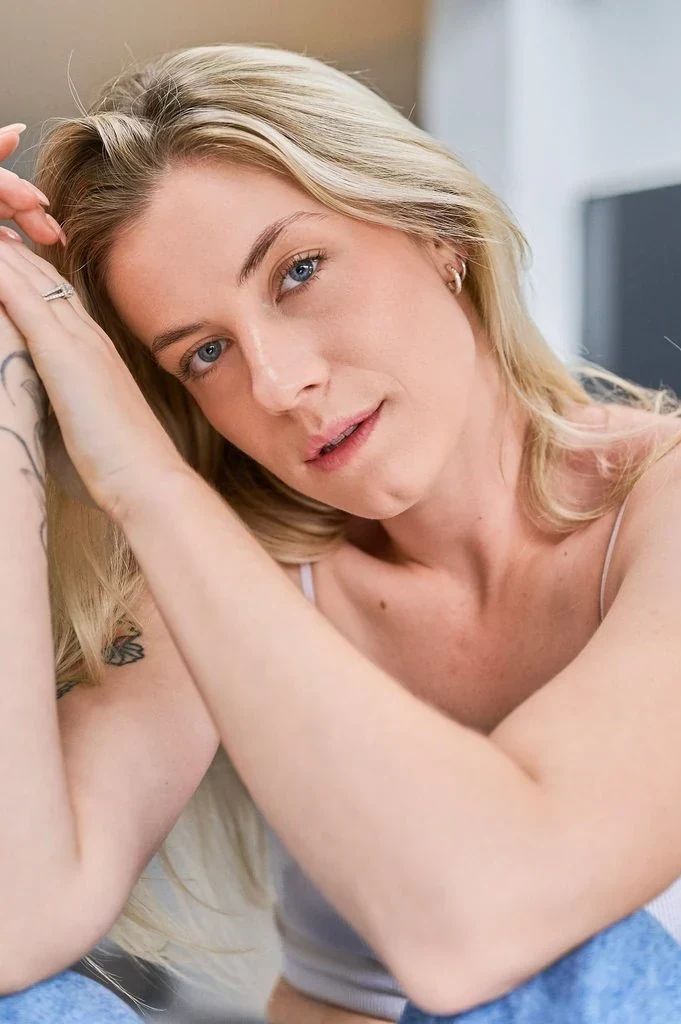
Leaning into yourself
Sitting down and letting your body lean fully into itself, resting your own weight against your own arms, reads as relaxed rather than composed.
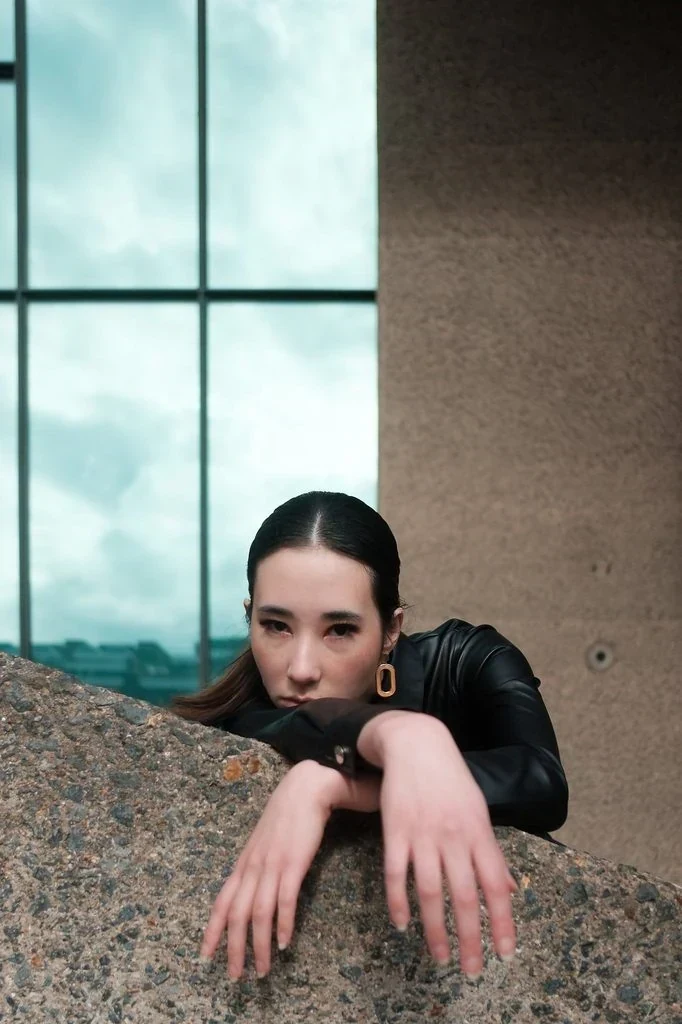
Hanging over the ledge
Leaning your whole body over a ledge and letting your arms hang down past it creates a pose gravity does half the work of.
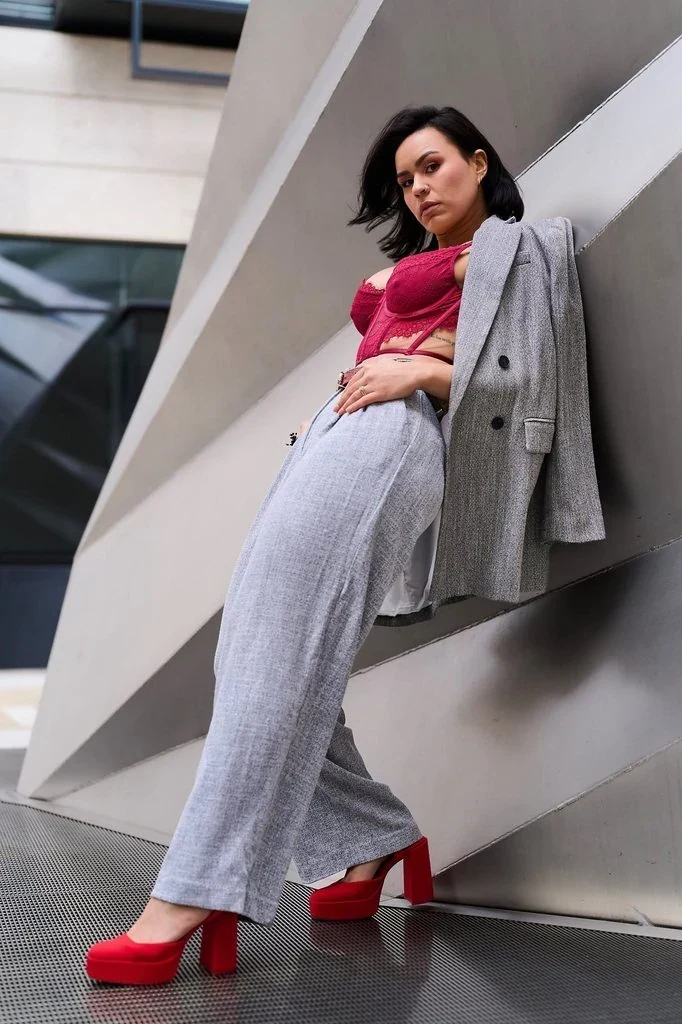
Hands hooked into trouser loops
Leaning your weight onto one foot while hooking your thumbs into your trouser loops gives your whole stance an asymmetric, unbothered line.
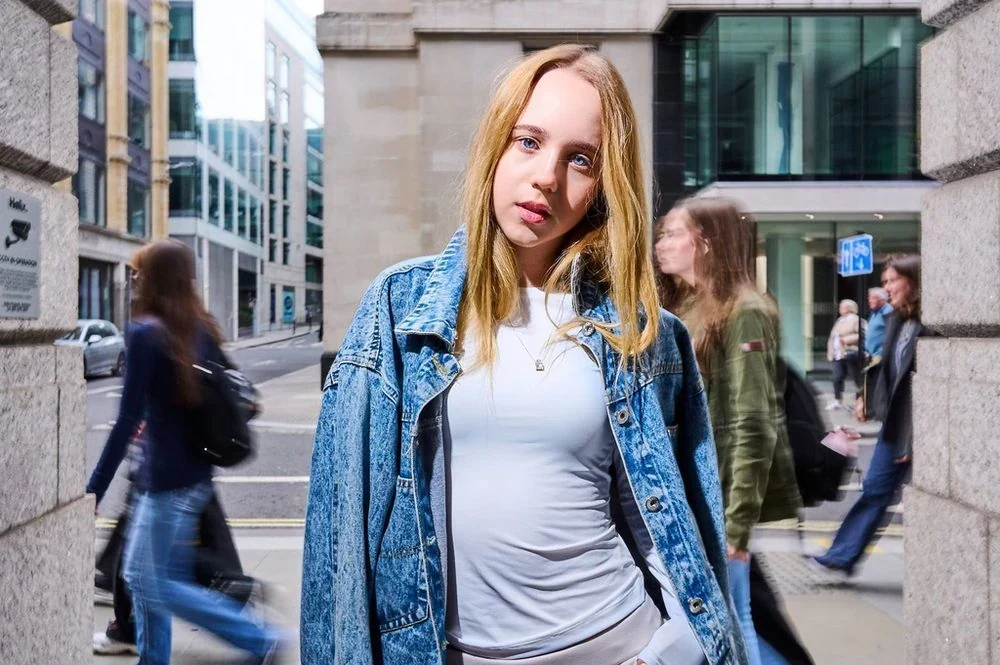
An intense stare-down
Holding an intense, unbroken stare directly into the lens while everything else in the frame moves around you makes you the one still point in the shot.
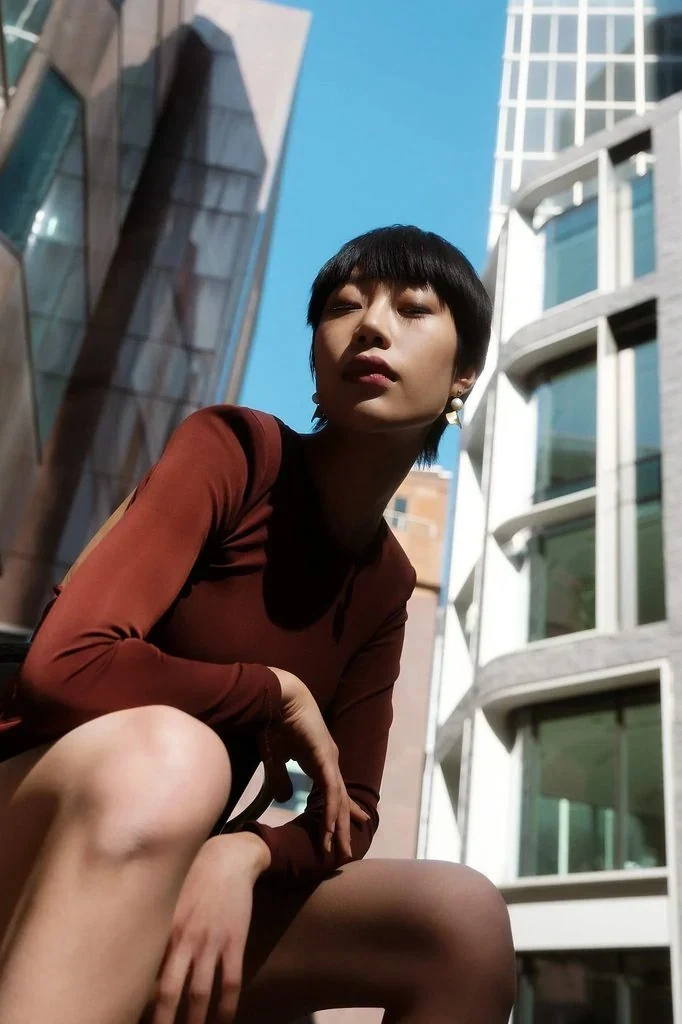
Straddling a chair backwards
Sitting with a chair turned backwards between your legs forces your body to lean forward or twist in a way you'd never do sitting normally.
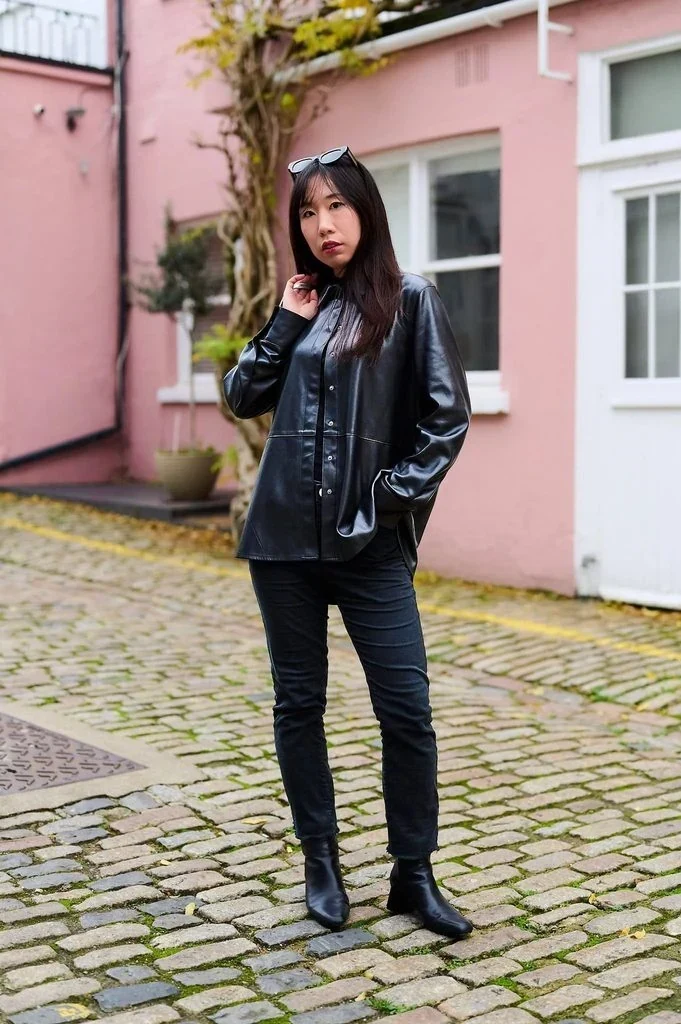
Bag over the shoulder, hands in pockets
Slinging a bag over one shoulder and tucking both hands into your pockets while leaning slightly gives a simple standing pose a relaxed, unbothered edge.
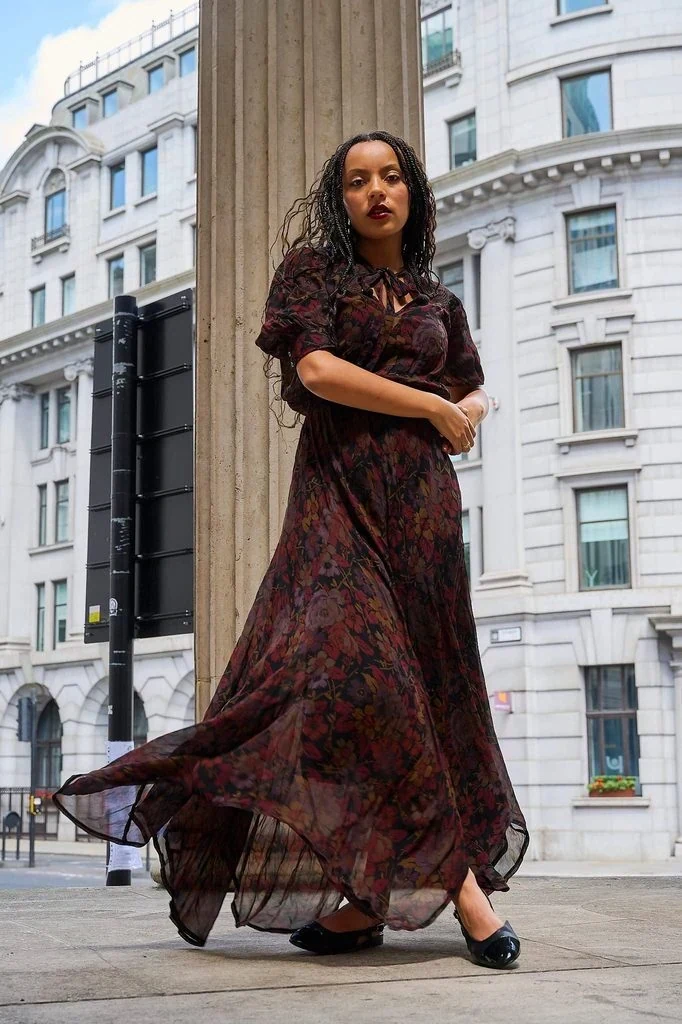
Slow, deliberate movement
Moving slowly and deliberately rather than holding completely still lets a flowing dress catch the motion and settle into soft, elegant shapes as you walk.
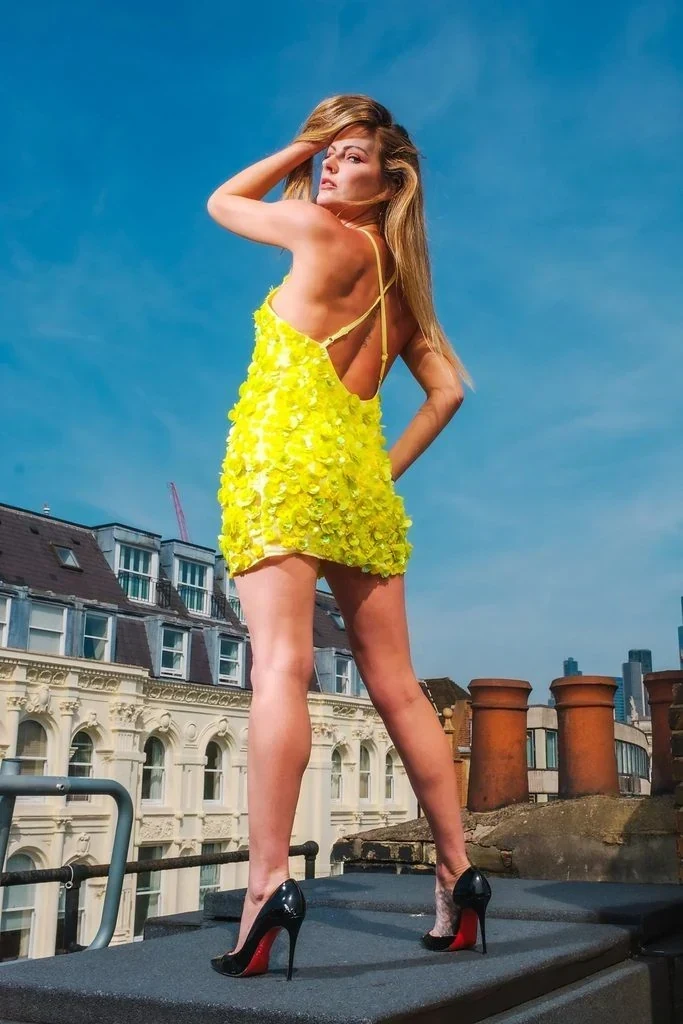
Back to camera, glancing over
Turning your back to the lens and glancing over your shoulder with a hand in your hair adds intrigue that a straightforward, front-facing shot doesn't have.
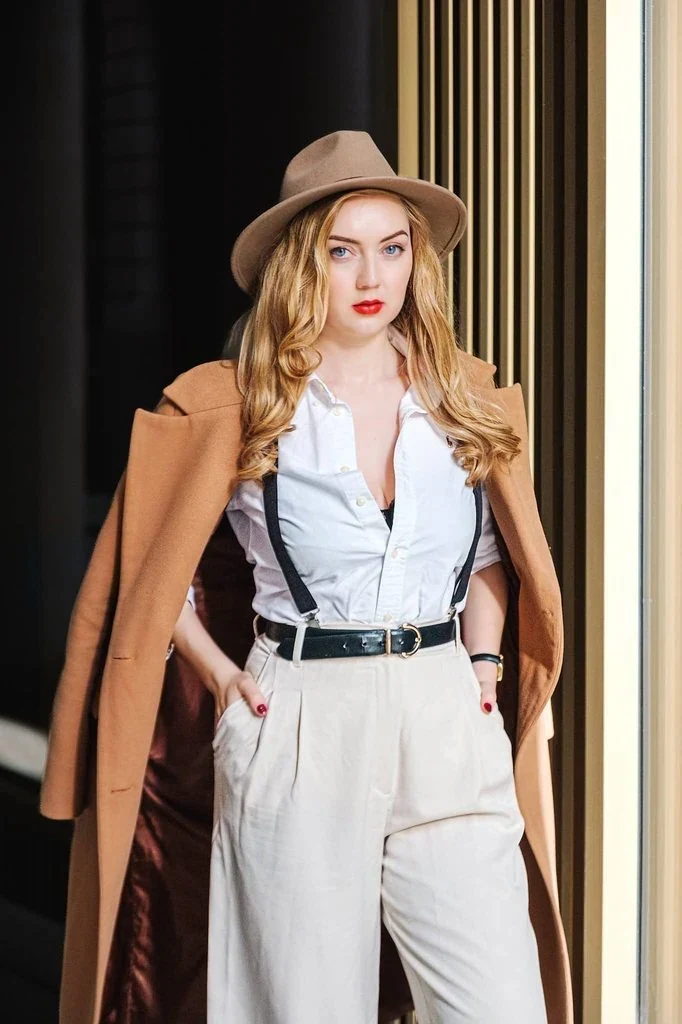
Hands in pockets, coat over the shoulders
Slipping your hands into your pockets while a coat or jacket rests over your shoulders rather than being worn properly gives an outfit real character.
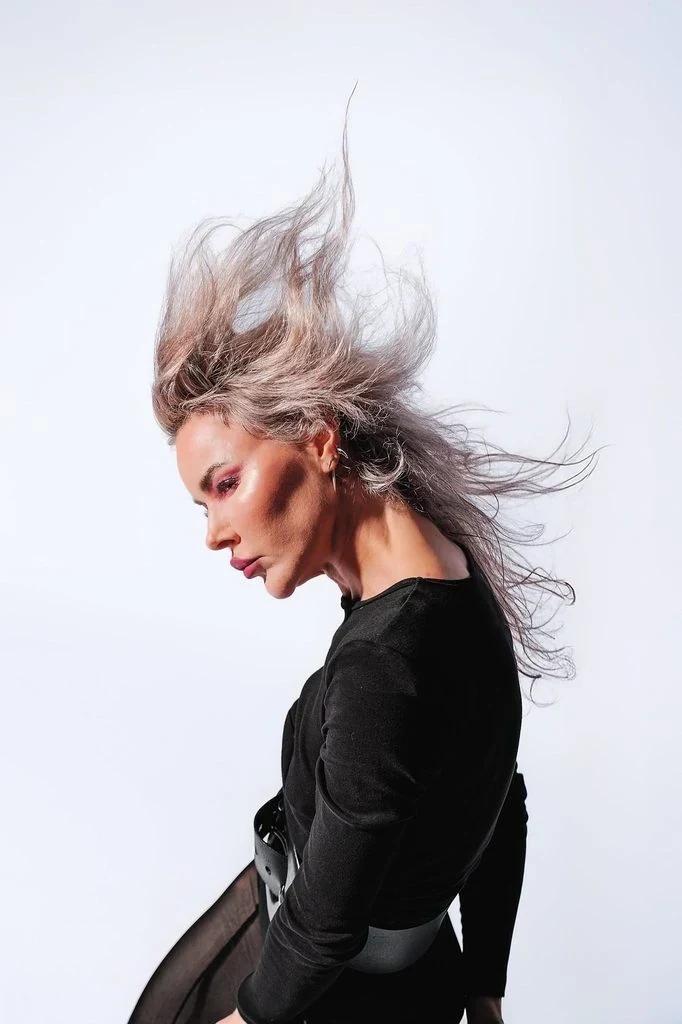
Hair left free
Letting your hair fall loose and move naturally, rather than pinned or smoothed into place, adds softness and life to an otherwise still, calm frame.
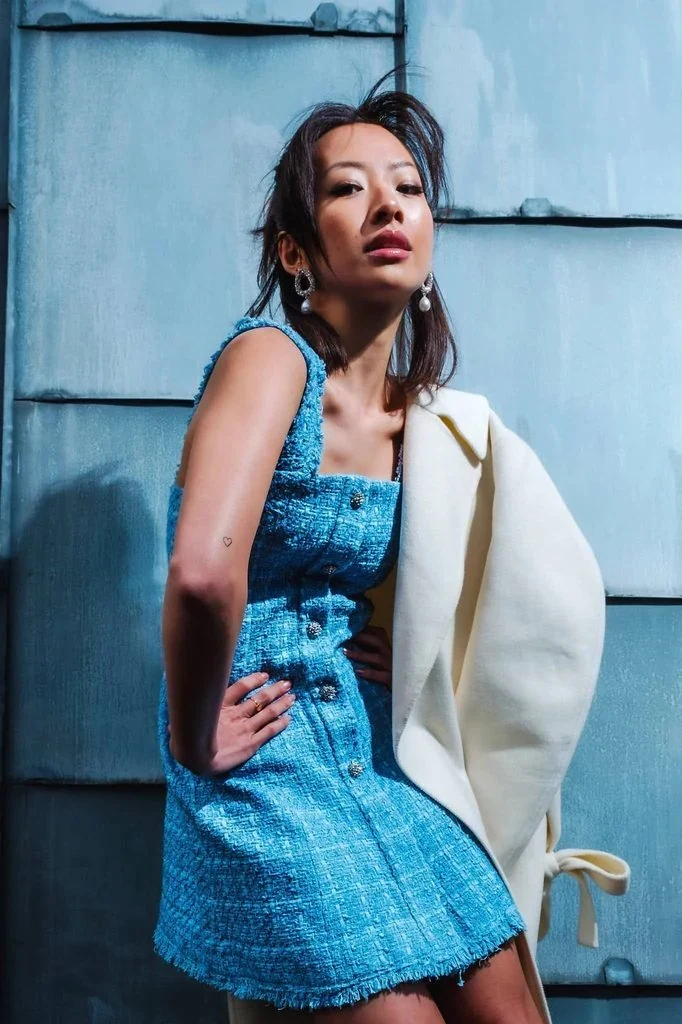
Torso turned, head straight on
Turning your hips and waist away from the camera while keeping your head facing forward, coat draped over the far shoulder, creates real tension through the pose.
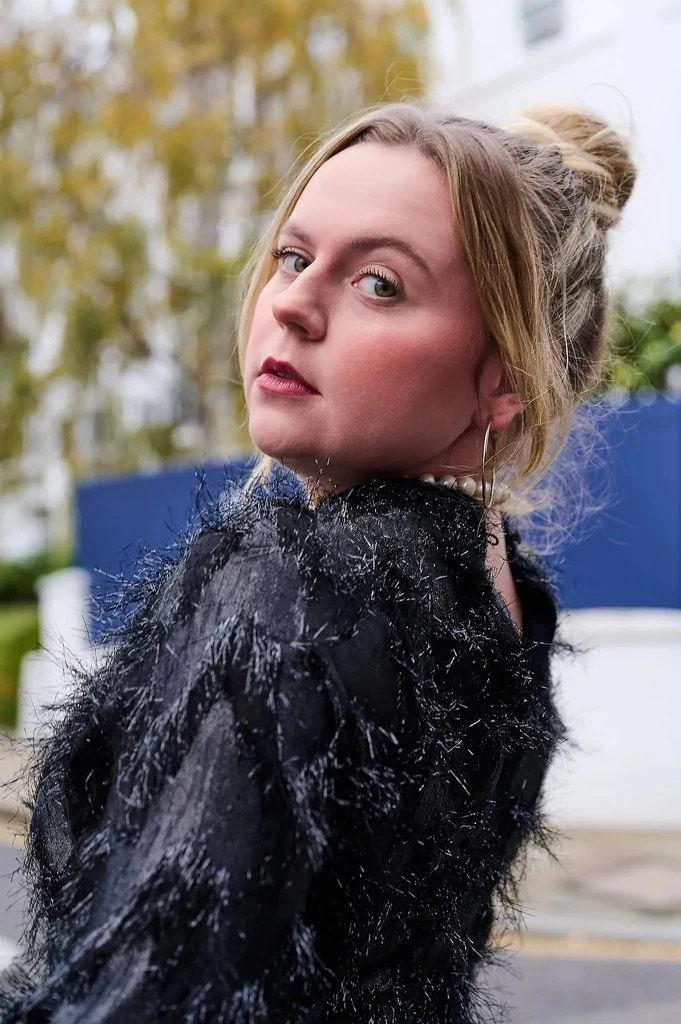
The over-the-shoulder glance
Turning your body away and only looking back over your shoulder creates instant movement in an otherwise still, static frame.
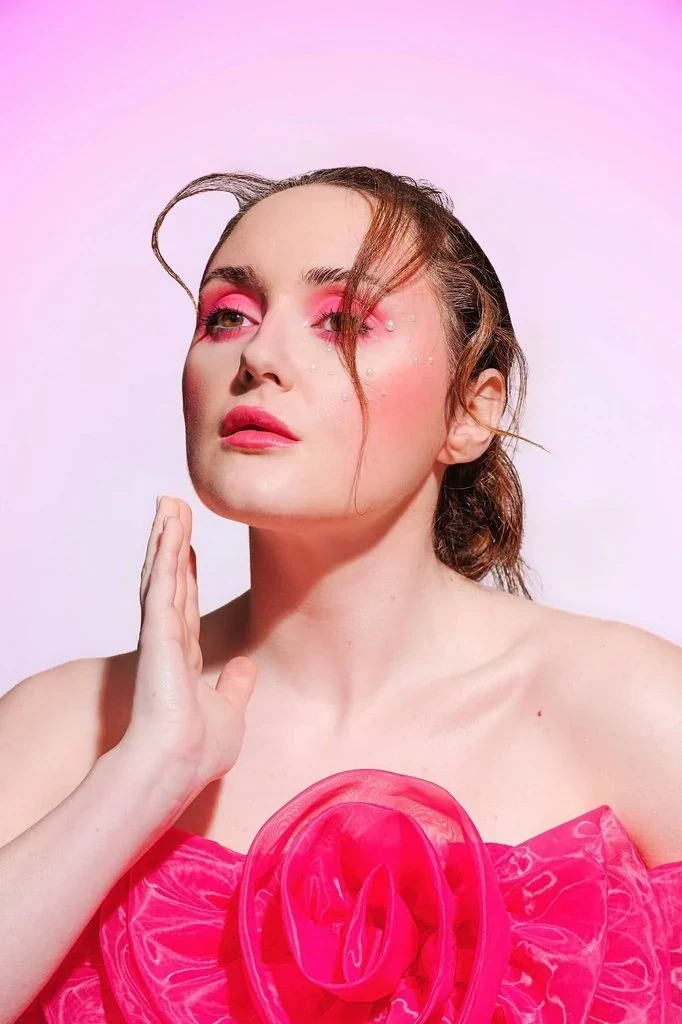
A hand held just off the face
Holding your hand close to your face without touching it keeps a gesture soft and considered rather than a full, obvious cover.
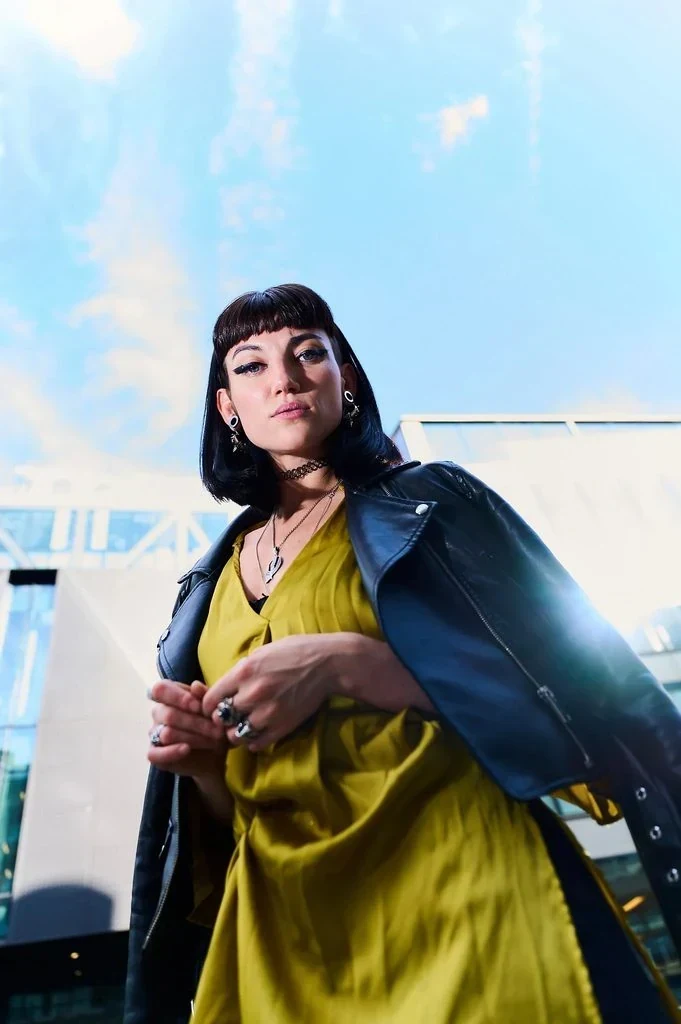
A downward tilt towards the lens
Looking down towards the camera from above with a slight forward tilt makes your presence feel larger and more commanding in the frame.
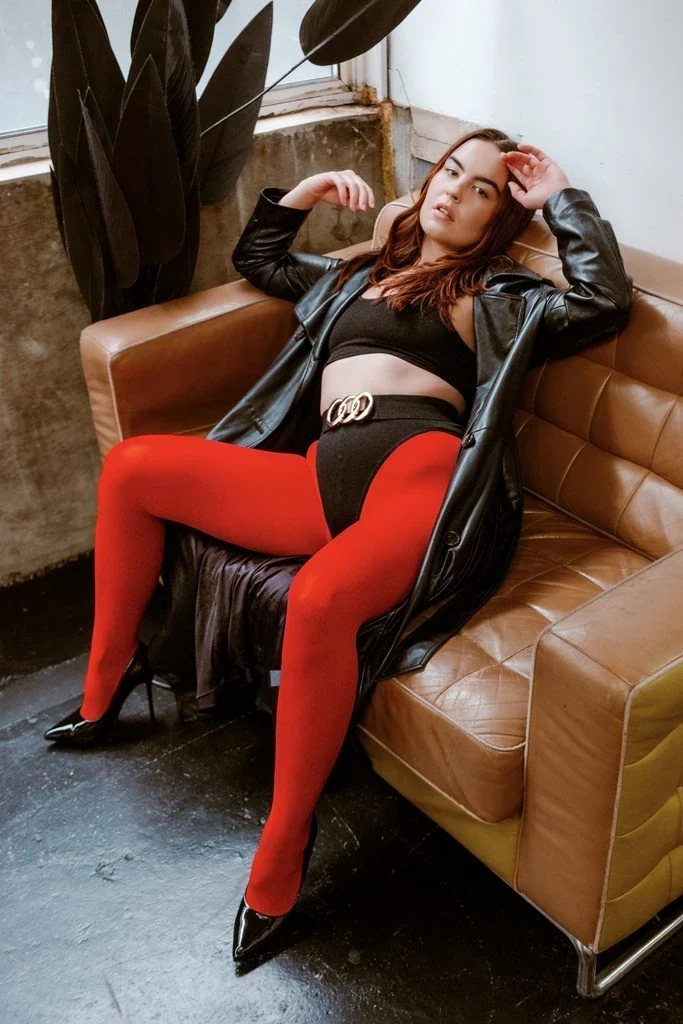
A masc slouch
Sinking down into a deliberately loose, masculine-leaning slouch, weight low and shoulders relaxed, reads as effortless rather than something held or composed.
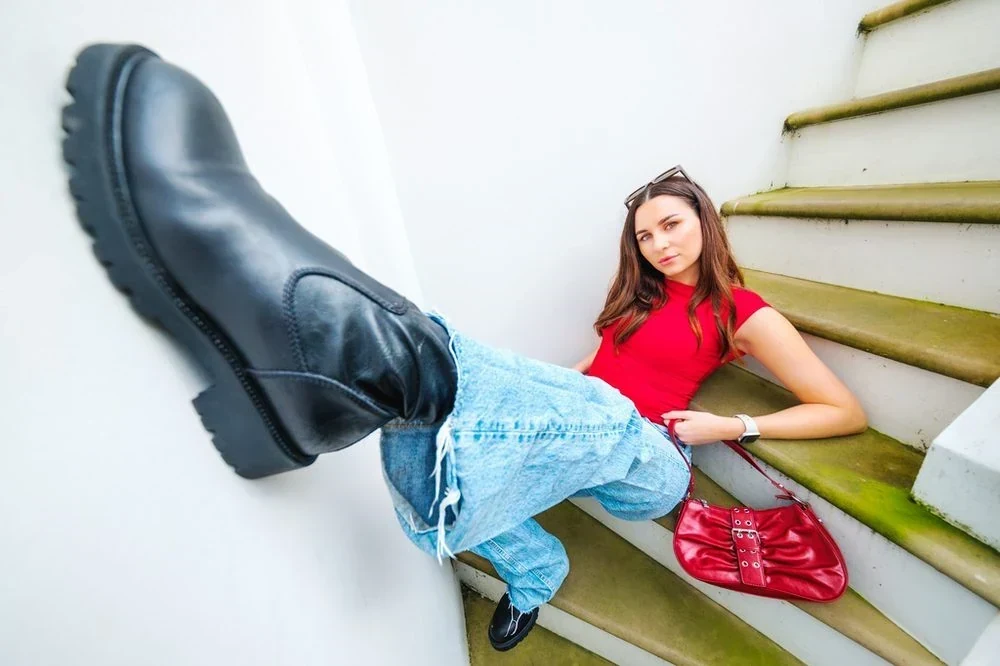
An over-extended limb
Extending one limb far out towards the lens, past where it would naturally sit, adds real depth to the shot and puts real focus on whatever you're wearing on it.
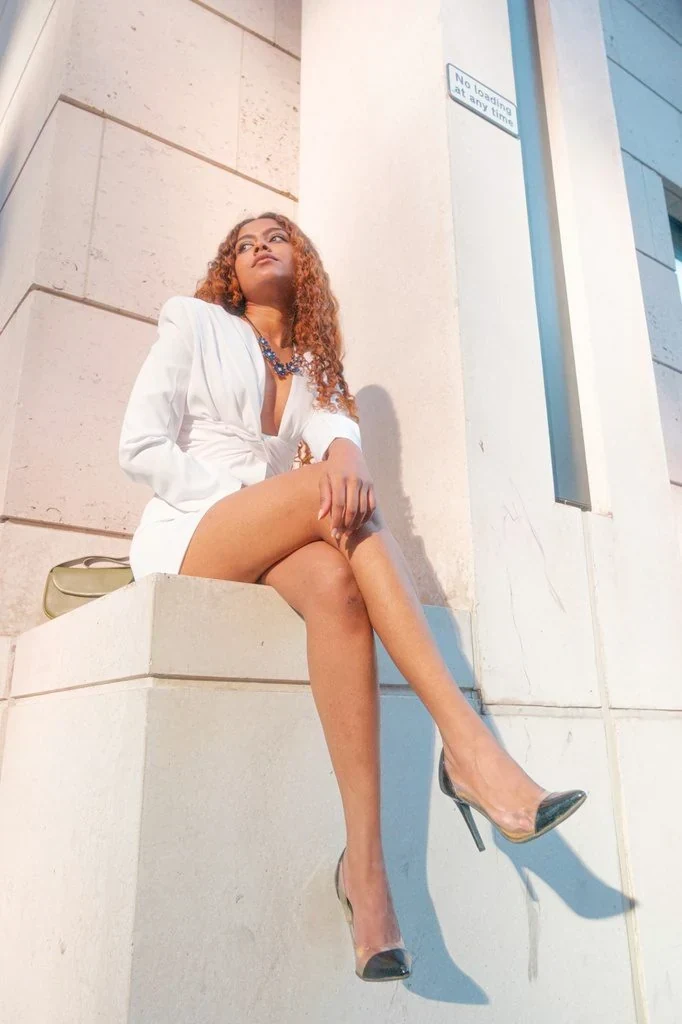
Legs crossed up on a pillar
Sitting up on a pillar or ledge with your legs crossed and raised rather than planted on the ground turns an ordinary seat into a real pose.
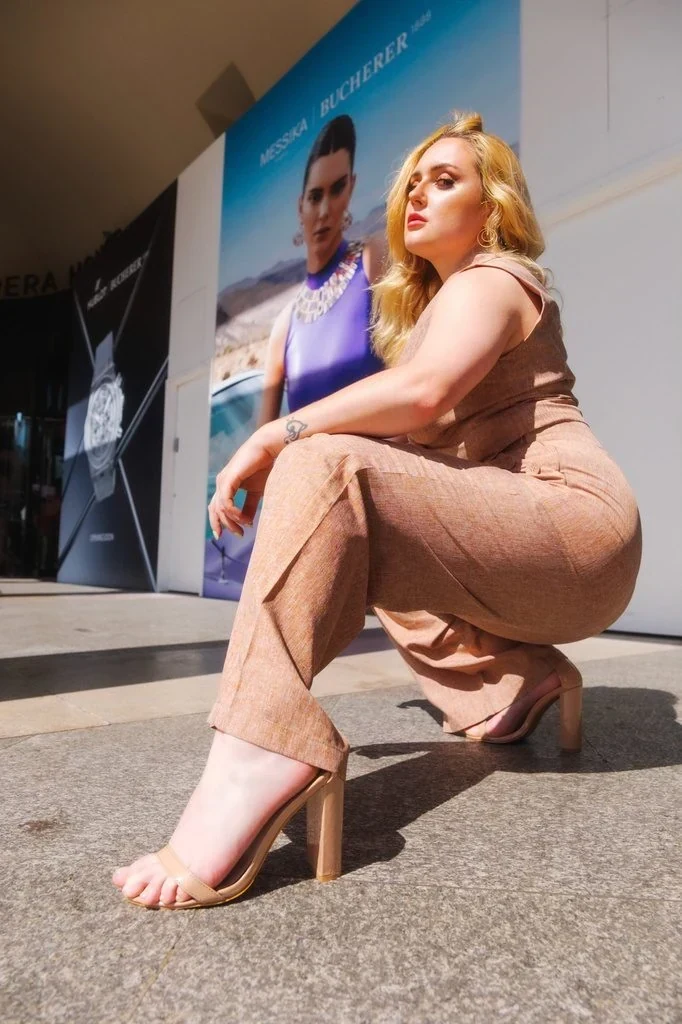
A front-foot crouch, arm draped over
Crouching onto your front foot while letting one arm drape over your leading knee gives a low pose a relaxed, folded-in shape.
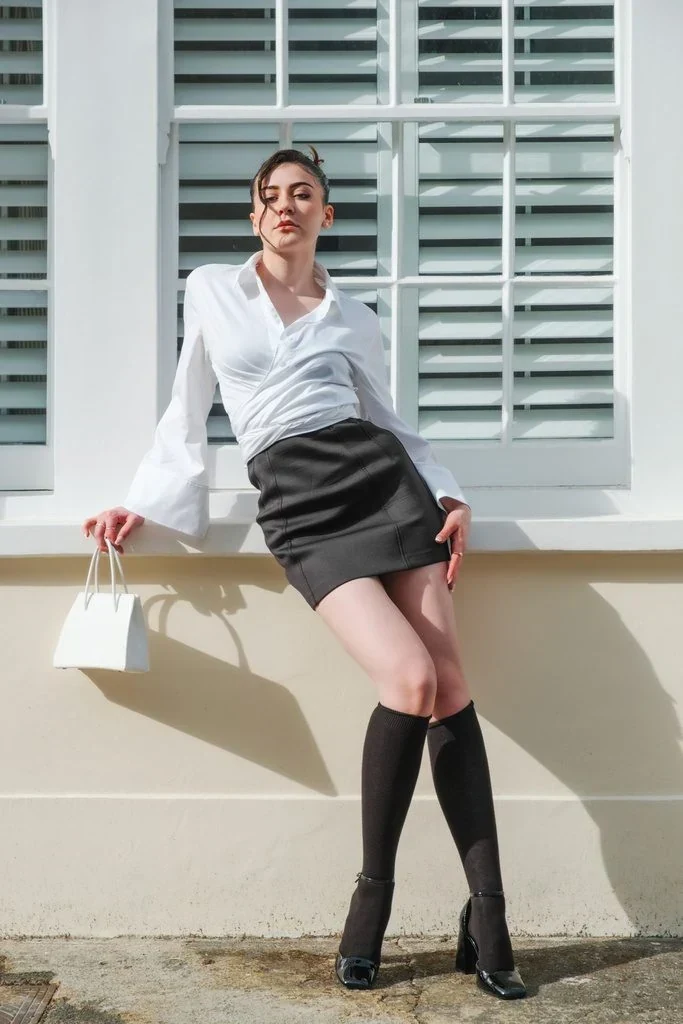
Leaning with a bag in hand
Leaning your shoulder against a wall while holding a bag naturally in one hand gives your whole stance a relaxed, unhurried, everyday feel.
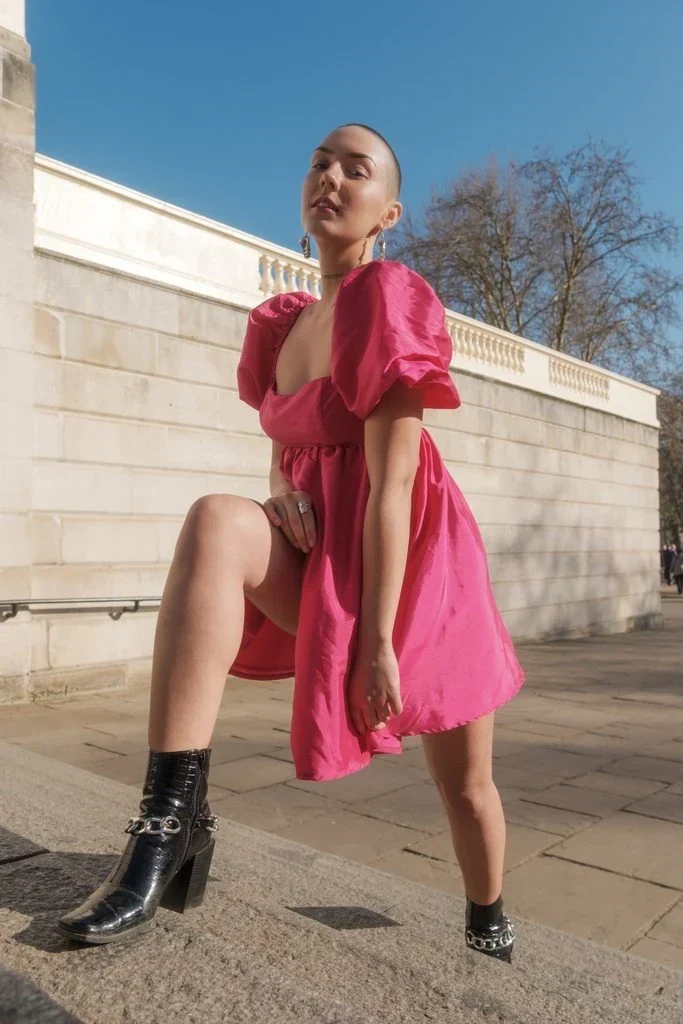
Raising a leg onto a step
Raising one leg up onto a step or ledge shifts your whole posture off balance in an interesting way that standing flat on both feet can't.
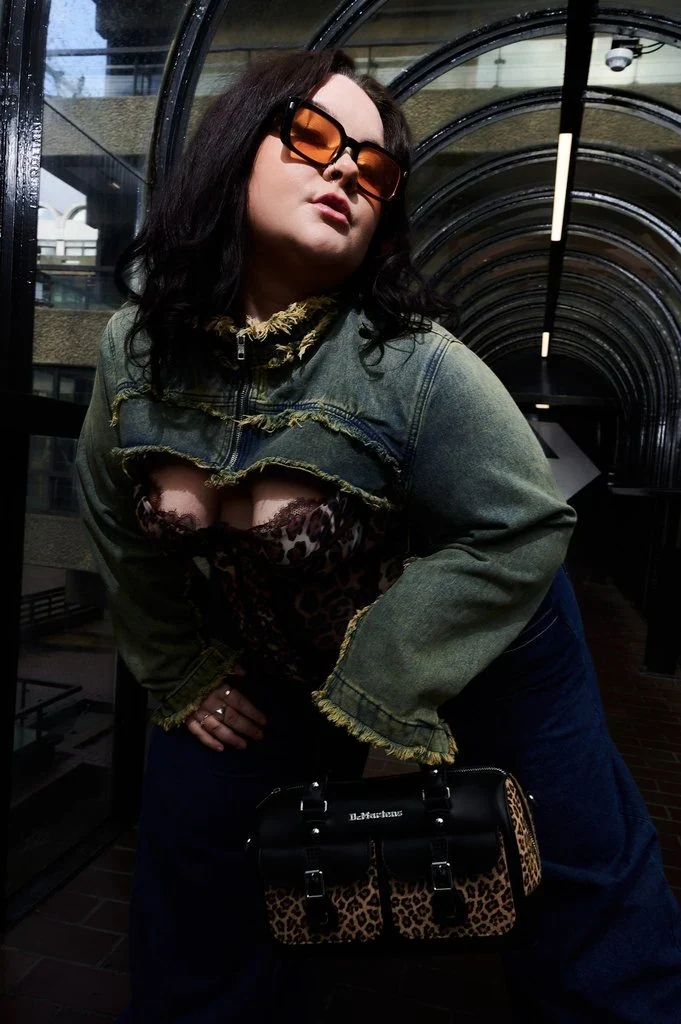
Leaning in, tilting the face
Leaning your whole body forward towards the lens while tilting your face brings real intensity into a shot that standing back and square never gives you.
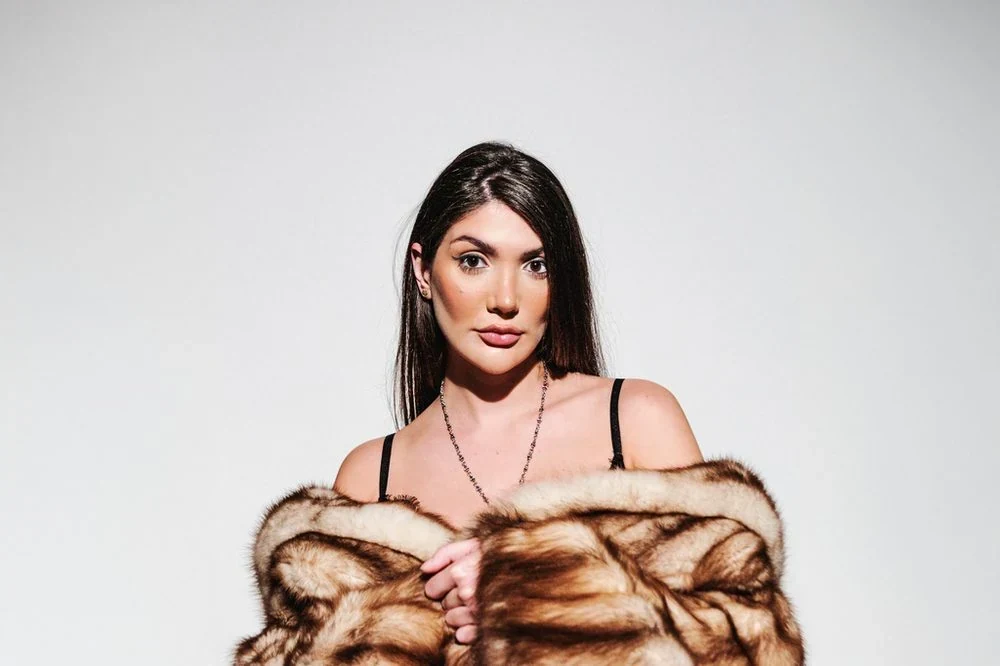
One shoulder raised forward
Bringing one shoulder up and forward while the other stays back breaks the symmetry of a straight-on portrait and gives it a slight, deliberate twist.
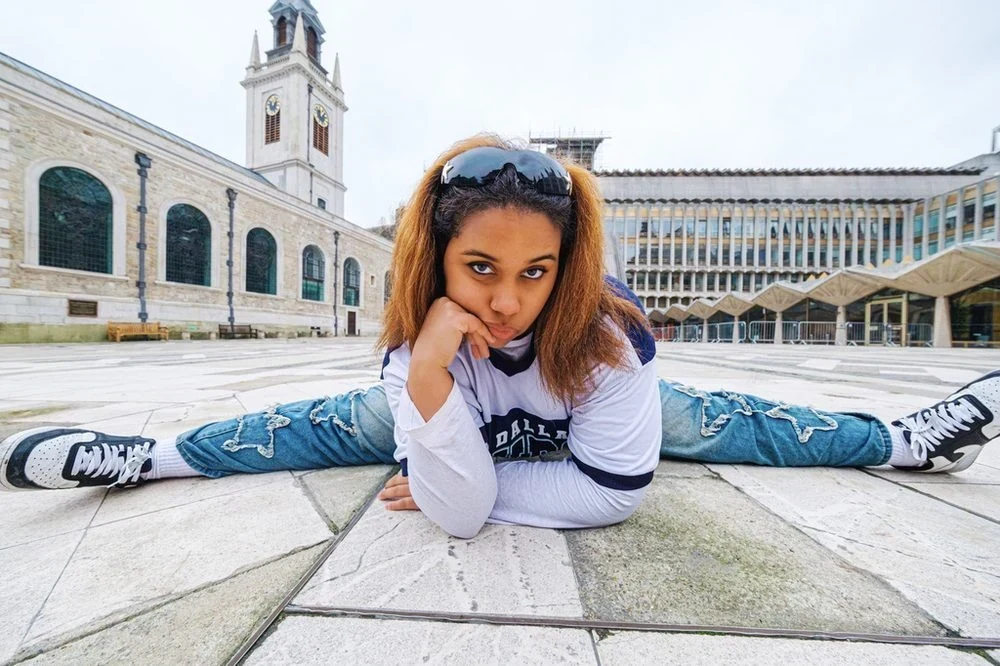
A full split on the ground
Getting all the way down onto the ground and extending into a full split creates a bold, graphic shape that no standing pose can offer.
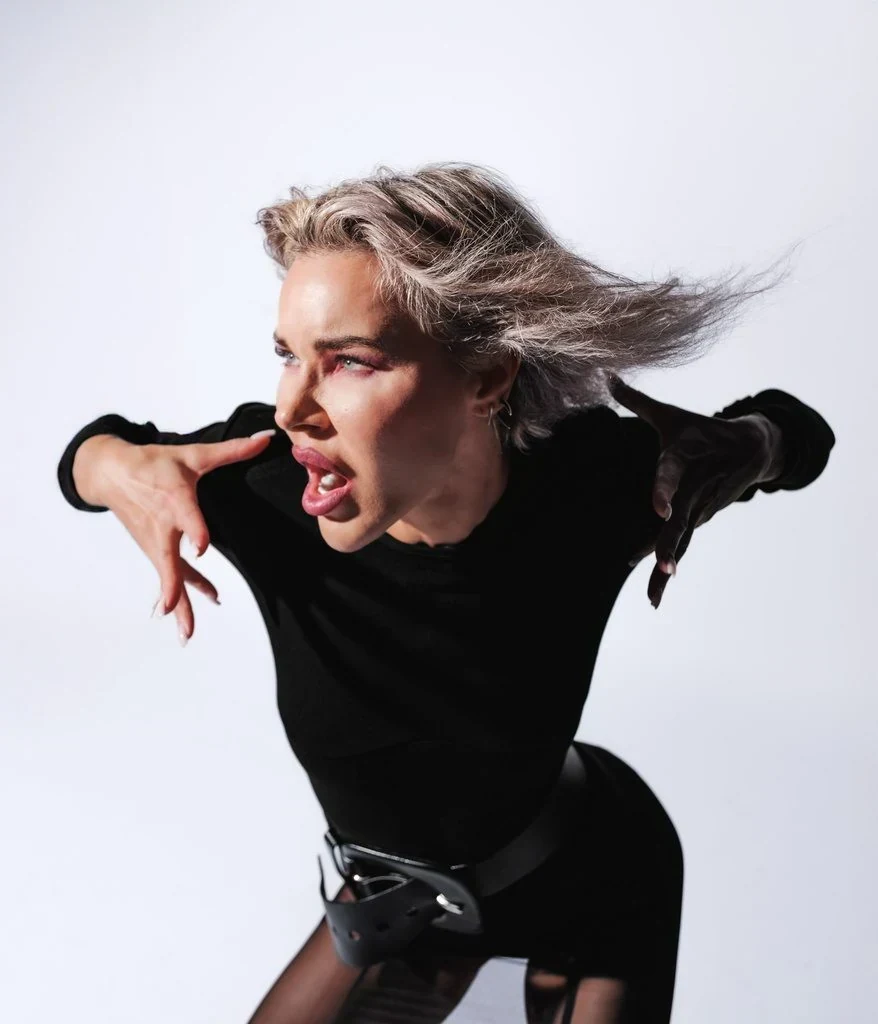
An exaggerated pointing gesture
Pointing straight at the lens with an exaggerated expression and hair still mid-whip captures an energy that a calm, composed face never will.
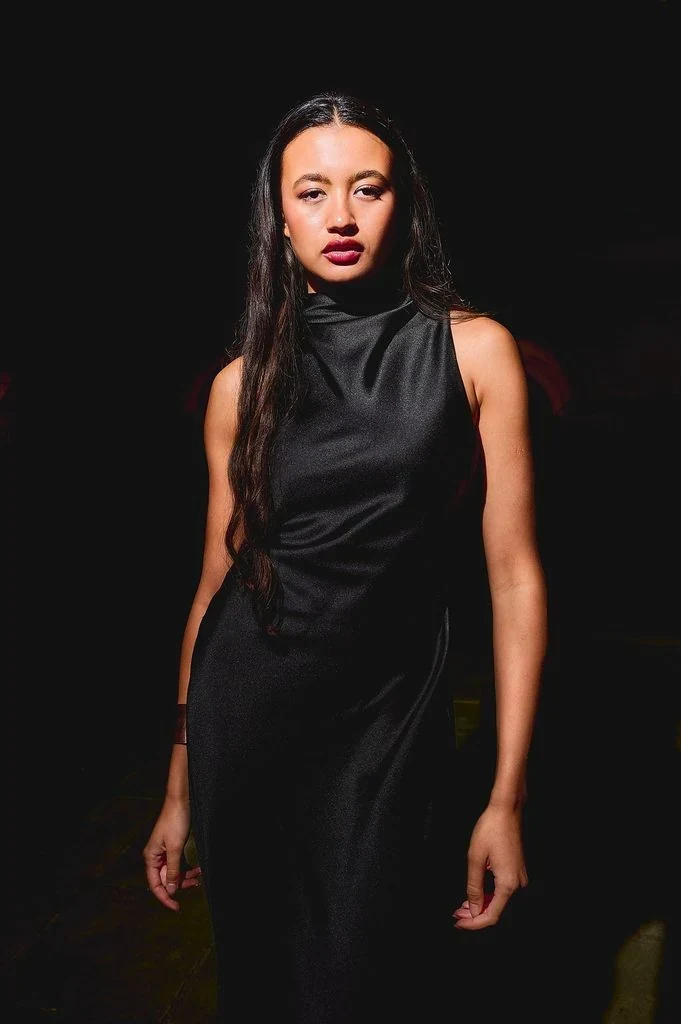
Walking towards the camera
Walking forward directly into the lens with your shoulders held slightly tense and a slight lean forward gives a portrait real, purposeful momentum.
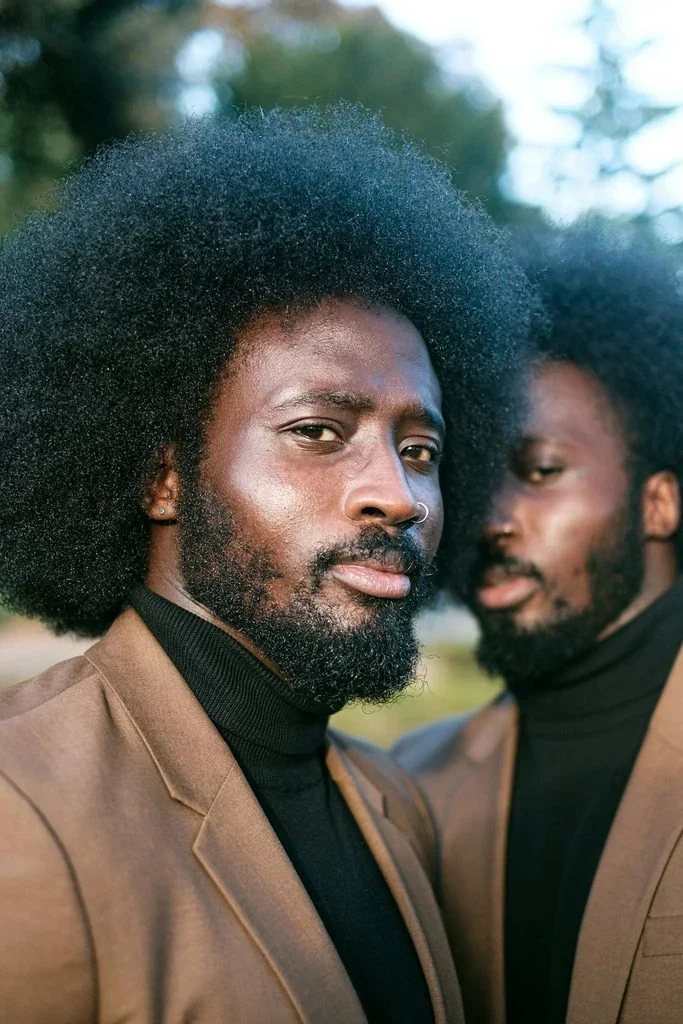
A classic three-quarter profile
A classic three-quarter profile with a completely neutral, poker-faced expression lets strong features carry the whole shot without any extra effort.
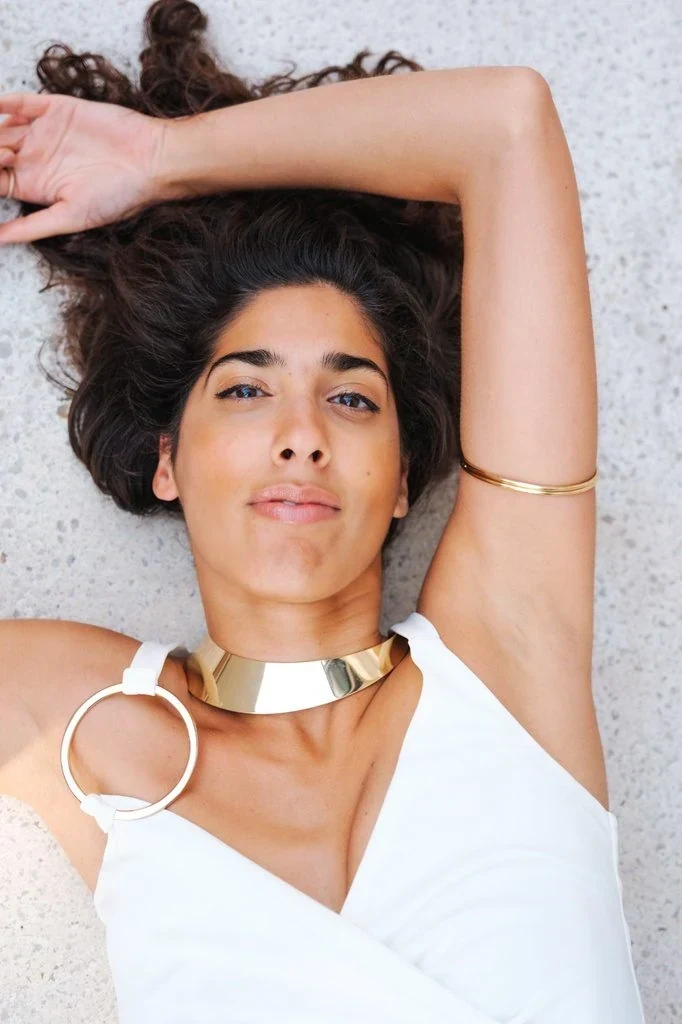
Arms raised, lying down
Raising both arms above your head while lying down opens up the neck and collarbone and turns a simple reclined shot into a strong, symmetrical shape.
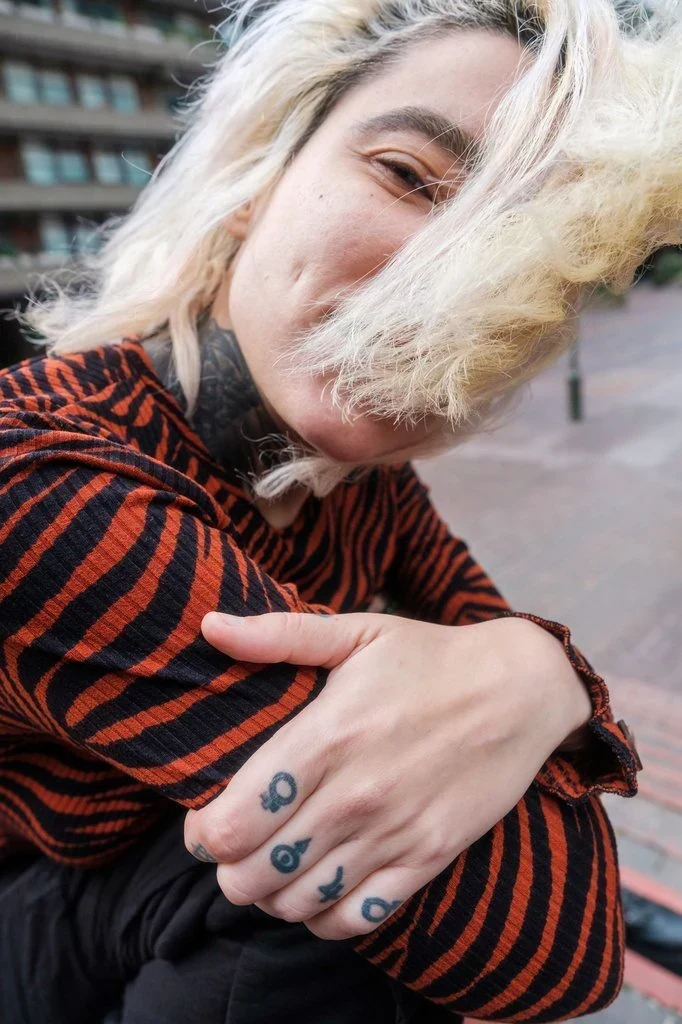
Half covered by hair
Letting your hair fall or blow across half your face, rather than pushing it away, adds mystery and movement that a fully visible face doesn't give you.
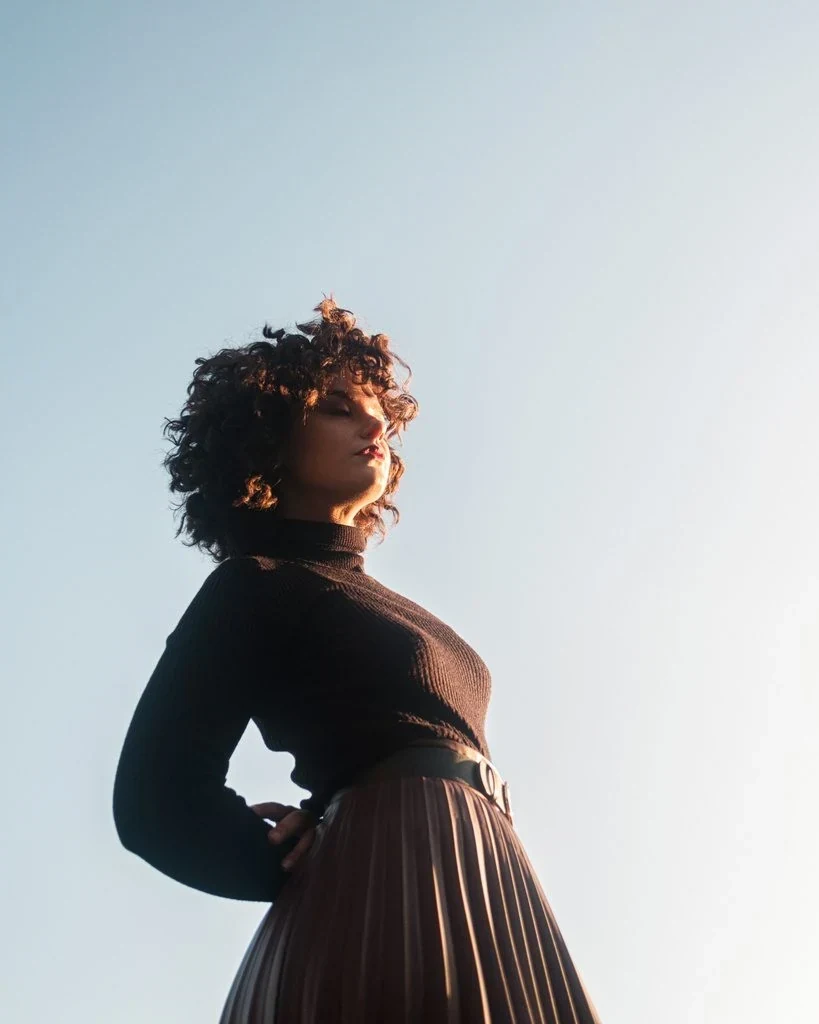
Arms back, pointing to the sun
Leaning backward with your arms held behind you and your face turned up towards the sun opens up your whole chest and neckline to the light.
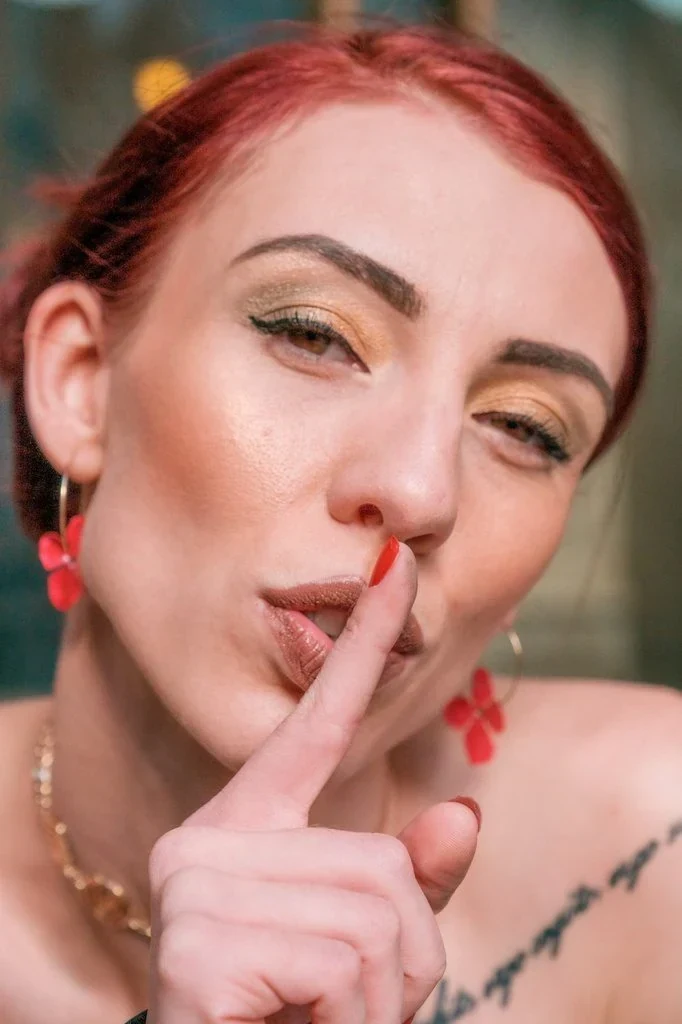
The quiet, "shh" gesture
A finger held to your lips in a quiet "shh" gesture gives your hands a clear, playful job and turns a simple portrait into a small moment.
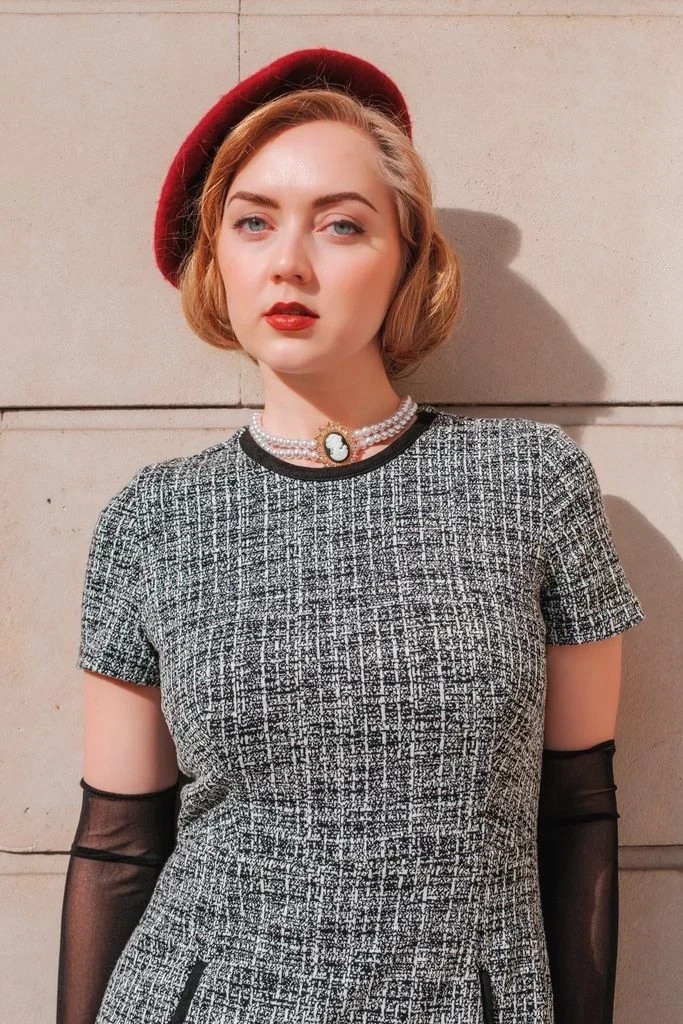
A relaxed stare-down
Leaning your full weight back against a wall while holding a steady, relaxed stare into the lens pairs stillness with real, unforced confidence.
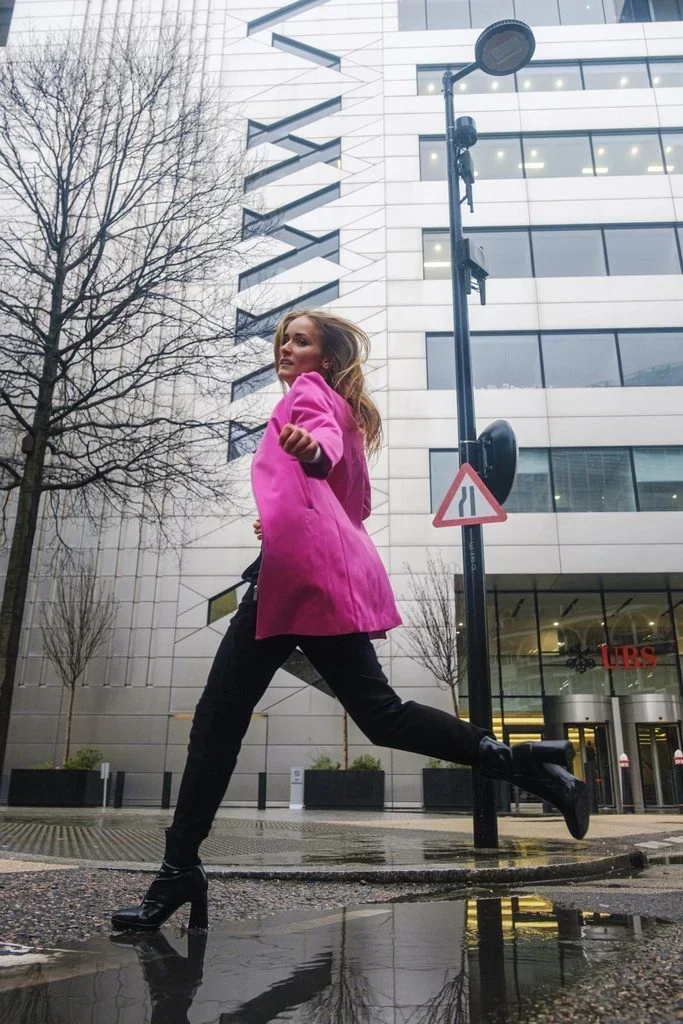
The Cartier-Bresson leap
Leaping mid-stride the way Henri Cartier-Bresson caught his famous jump over a puddle behind Gare Saint-Lazare turns a street corner into a genuine decisive moment.
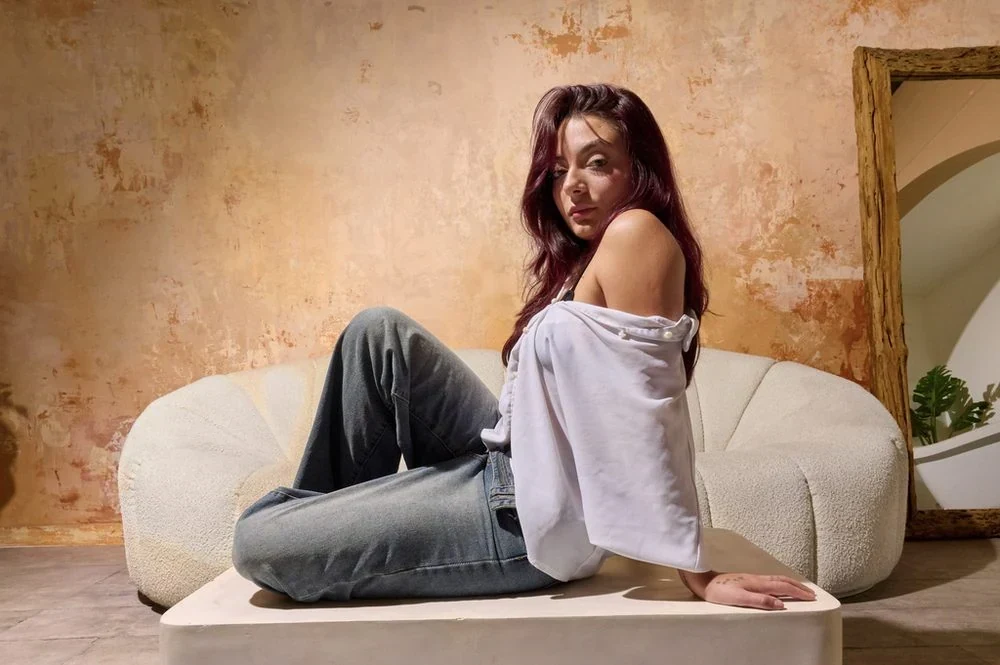
Reclining, weight on your limbs
Leaning back and letting your arms and legs take your full weight turns a relaxed recline into a supported, sculptural shape rather than a flat sprawl.
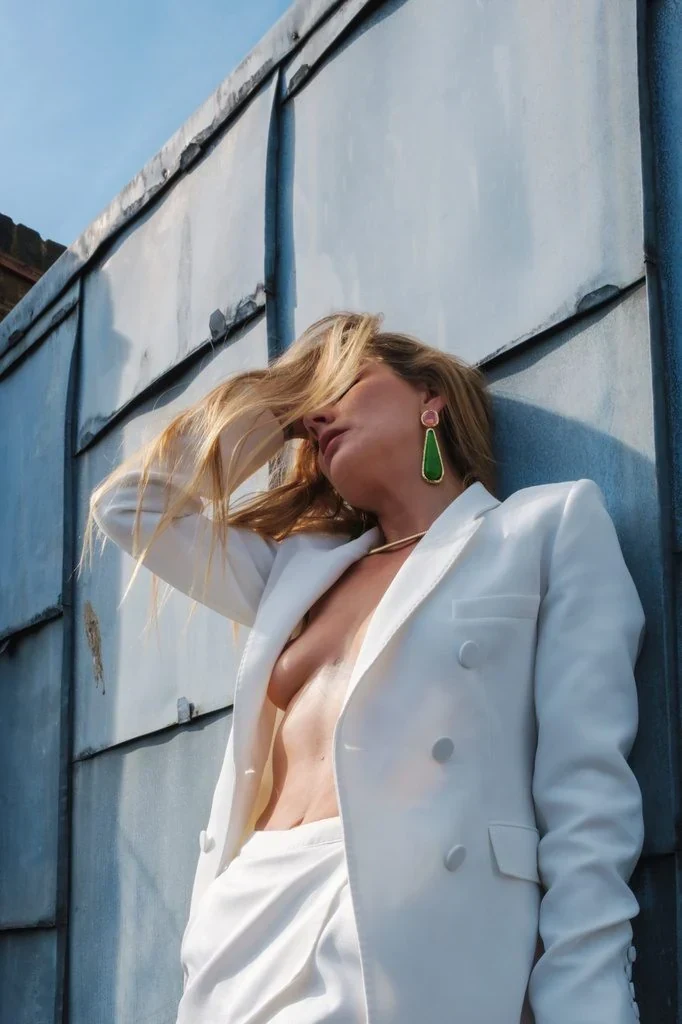
Tailoring worn open
Wearing a blazer open rather than buttoned exposes the torso and adds an unguarded, confident edge that a fully closed, formal silhouette doesn't give you.
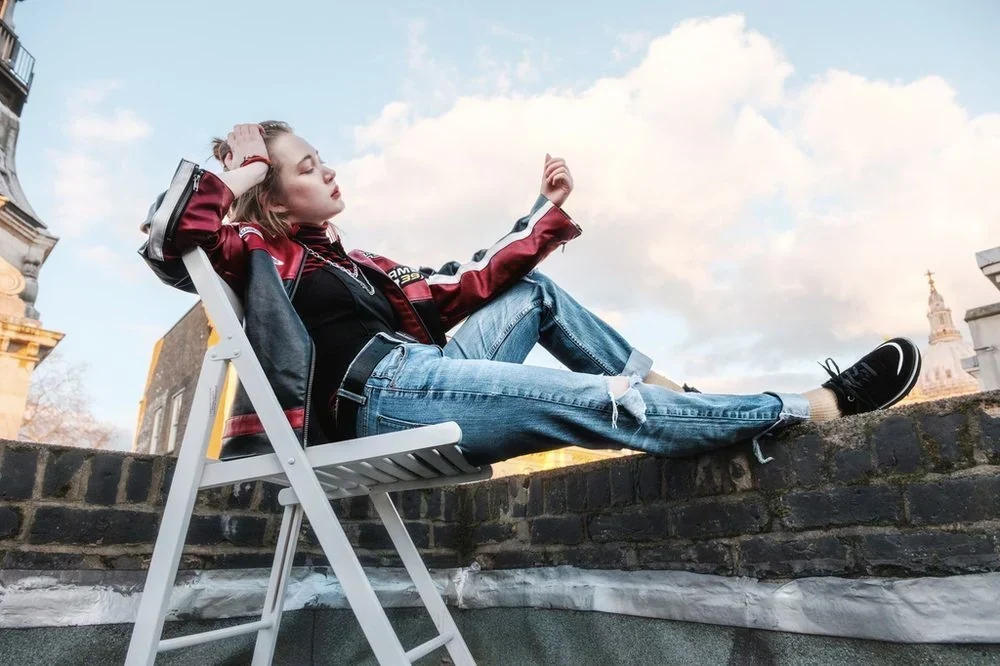
Ignoring the camera entirely
Leaning back into a chair and looking away as if the camera isn't there at all can read as more genuine than any expression aimed straight at the lens.
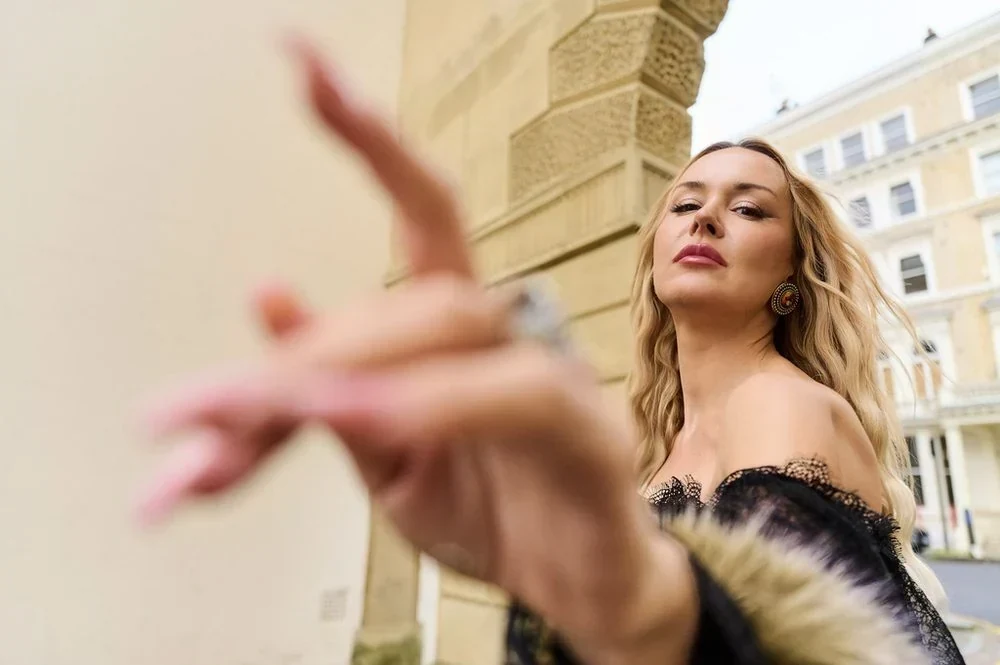
A hand reaching towards the lens
Extending a hand towards the camera with your fingers spread adds real depth to a frame, giving the foreground its own separate point of focus from your face.
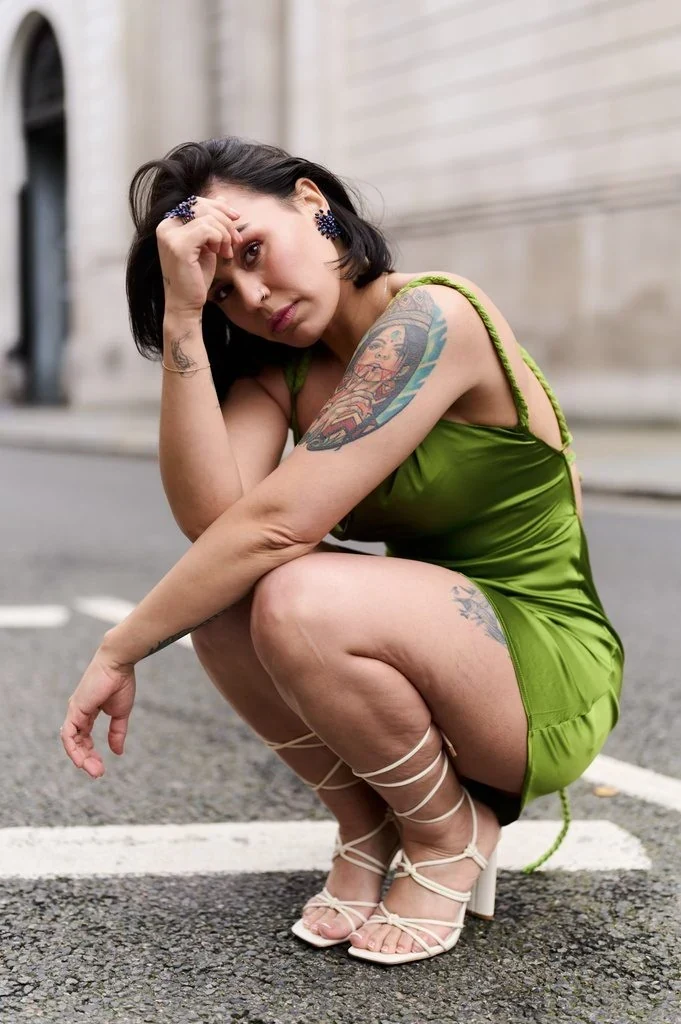
A low, angled squat
Dropping into a squat at an angle, rather than straight down or fully upright, keeps a low pose from looking flat while your gaze stays locked on the lens.
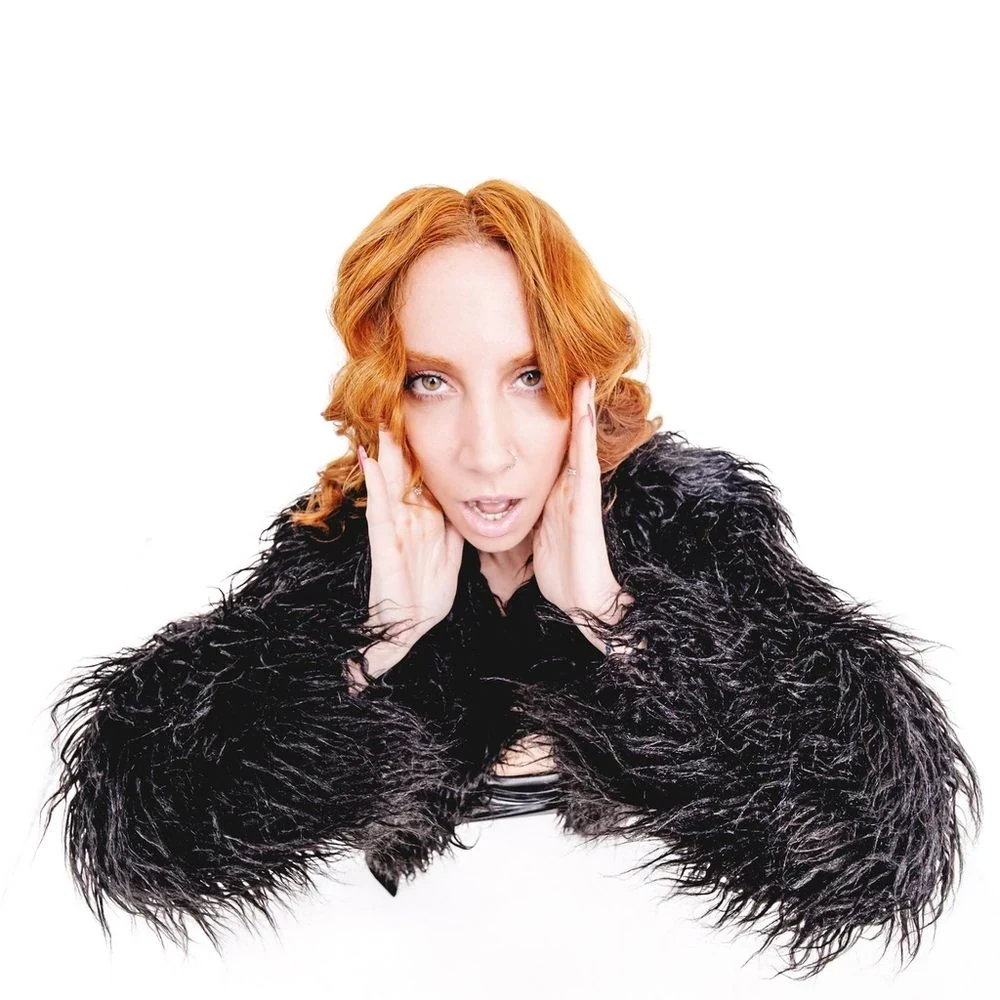
Hands on the face, looking up
Standing and bringing both hands up to your face while tilting your gaze upward towards the lens creates an intimate, slightly vulnerable moment.