
Notes: For the New Face
TFP & Collaborations Explained
Why a genuine collaboration is a trade, never a favour owed to either side.
In short: TFP and collaboration shoots explained: why a genuine collaboration is a fair trade of time for images, never a favour owed to either side.
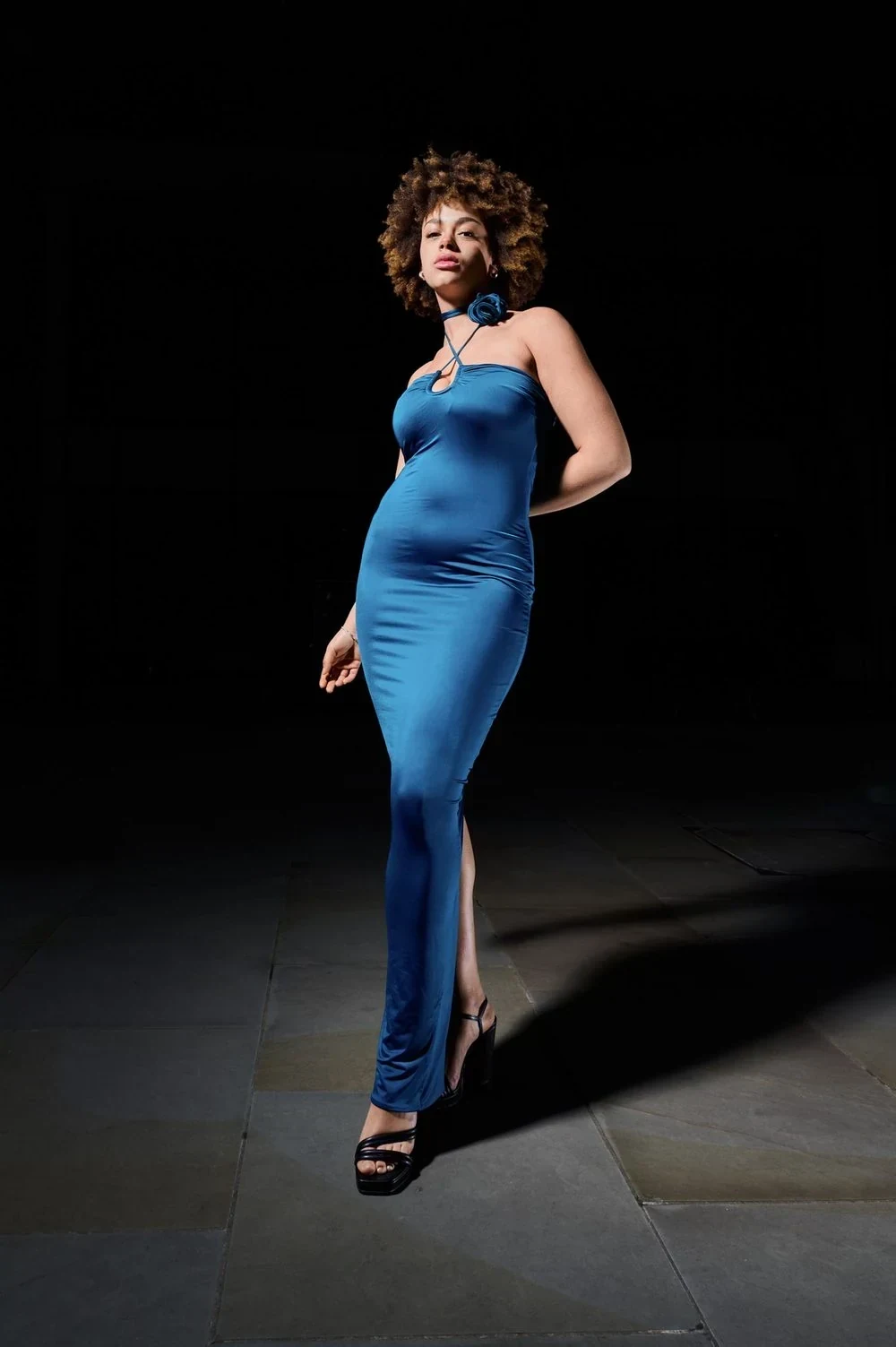
TFP and Collab now mean roughly the same thing
In practice, most people use TFP and "collaboration" interchangeably today, and that's fine, they both describe the same core arrangement: no money changes hands, both sides walk away with something. Where they differ slightly is in the reason behind them. TFP tends to be the more practical version, one side wants to practise or build a specific skill, the other needs to update their portfolio, and that's a completely fair trade, since both people are working on something they need regardless of the exact outcome.
A collaboration, sometimes specifically called a test shoot, tends to start from a concept rather than a need. A photographer or a model has an idea they want to bring to life, and it's compelling enough that someone else wants to be part of it. This usually happens between people around the same experience level, and the actual outcome, beyond images, is a good team and an enjoyable day.
Either way, the underlying principle never changes: everyone benefits, everyone puts in the same effort, and time is the only currency involved.
What's actually being traded
TFP (Time for Print, sometimes Trade for Print) is never "free". It's a fair, equal trade, and understanding that properly changes how you should approach it. A collaboration is an exchange of professional labour. A model contributes time, preparation, grooming, wardrobe, and travel. A photographer contributes skill, equipment, lighting, editing time, and often studio or location costs running into real money. Neither side is doing the other a favour, both are investing something real to walk away with something real.
When it should happen, and when it shouldn't
A genuine collaboration only makes sense when both sides gain roughly equivalent value for their own portfolio or body of work. It's not a shortcut for one party to obtain free labour or free content from the other, if only one side is benefiting, it isn't really a collaboration.
If you're unsure whether an opportunity is a real collaboration or something else entirely, ask directly what the photographer gets from it too. A clear, specific answer is a good sign.
Usage rights still matter
Images produced through a collaboration generally cannot be sold to third parties or used commercially without a separate, explicit written agreement and compensation. Any unpaid collaboration should still come with a signed release clearly defining exactly how the images can be used, personal portfolio and non-commercial social media only, unless otherwise agreed.
This protects both sides. It's not a formality to skip, it's what stops a fair arrangement turning into an unfair one later. See Contracts & Usage Rights for the fuller picture on likeness rights and usage terms.
If you're unsure whether an opportunity is a real collaboration or something else entirely, ask directly what the photographer gets from it too.
A Few Questions